What Sets Alpine Fuel Nutrition Apart: Functional Sports Nutrition in the Front Range of Colorado
If you live along the Front Range of Colorado, you already know that we live in an athletic paradise. Between…


Pregnancy is one of the most physically demanding seasons a woman’s body will ever go through. If you’re an active woman, like many of my clients here in Colorado, you’re likely not looking to put your workouts on pause for the next nine months. As long as you have no pregnancy conditions limiting your ability to be active, the good news is that you don’t have to!
With the right nutrition foundation in place, you can continue to move, train, and stay strong throughout pregnancy while fully supporting your baby’s growth and your own energy and recovery. Read on to learn about the nutrition foundations you should have in place as an active pregnant woman.

As a functional sports nutritionist, I look at pregnancy nutrition differently than a conventional approach might. This isn’t about “eating for two” or following generic prenatal nutrition advice off a handout from your OB’s office. My approach to pregnancy nutrition for active women is about fueling your specific body based on your unique health needs, training load, and the scientific evidence on pregnancy nutrition. The goal is for you to feel strong, energized, and nourished from the first trimester all the way through delivery. For more information about postpartum nutrition, which is a topic unto itself, read my blog Reclaiming Yourself: Postpartum Nutrition for Active Moms.
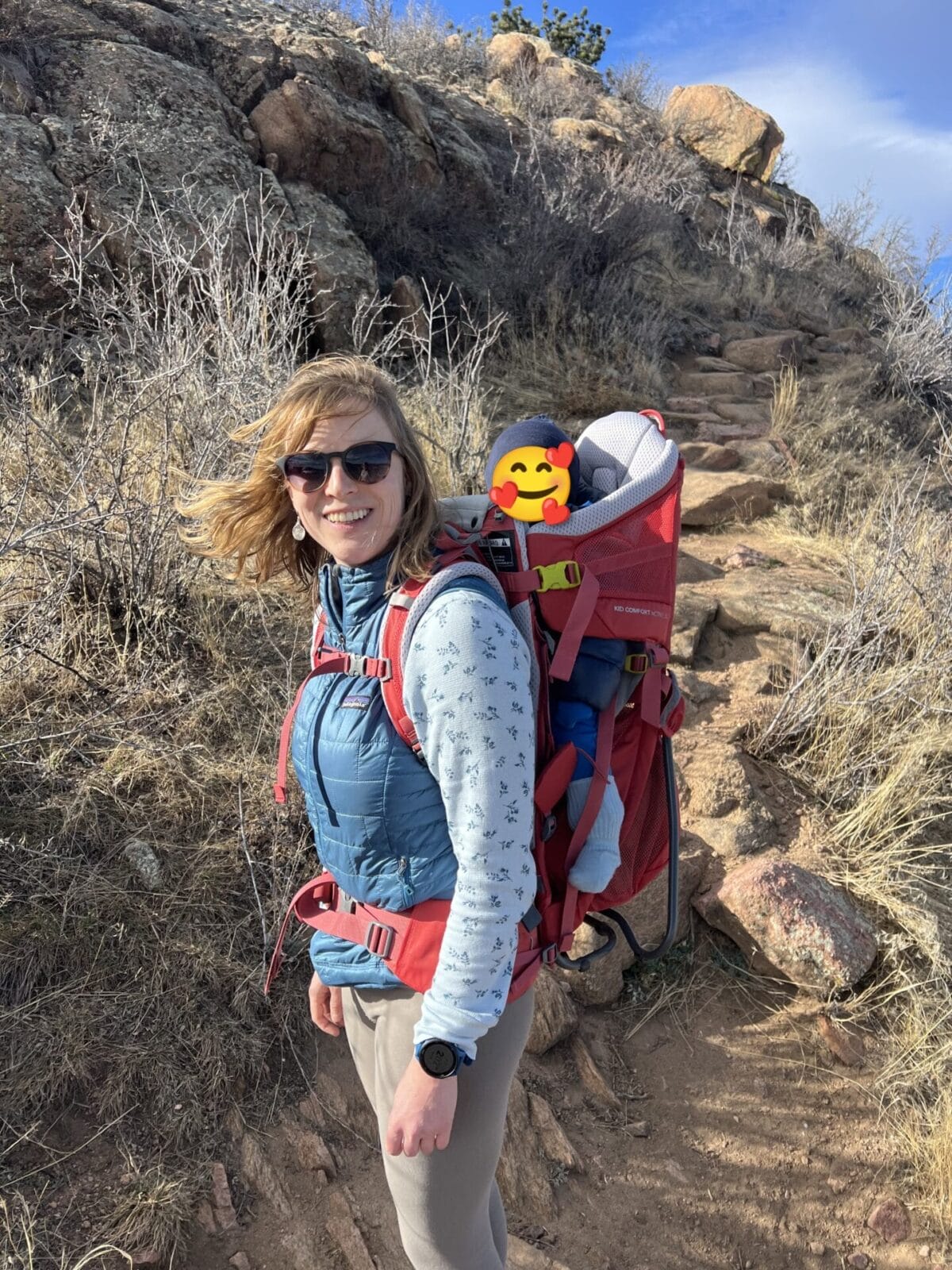
I was pregnant with my son in 2024 and into early 2025, and that experience significantly shaped how I now counsel active pregnant clients. My midwives didn’t provide nutrition information (providing specific nutrition guidance, including medical nutrition therapy, would have been outside their scope of practice anyway), and I found much of the nutrition information for active pregnant women on the internet lacking. Fortunately, I have a Master’s degree in Human Nutrition, my undergrad in Biomedical Science, and am a Certified Nutrition Specialist® and Licensed Dietitian Nutritionist, so I knew what to do! However, many active pregnant women don’t have a nutrition background, and that’s one reason why I felt compelled to write this article!
Whether you’re trail running in the foothills, lifting weights, practicing prenatal yoga, or backcountry skiing some mellow runs, these are the foundational nutrition principles I emphasize with my active pregnant clients.
A functional approach to prenatal nutrition is a whole-body approach. The functional approach I take with my pregnant, active clients includes:
These holistic approaches are not part of conventional pregnancy nutrition guidance, but in my clinical experience, addressing these aspects with functional nutrition are vital for helping women have an active, healthy pregnancy.
This might sound obvious, but undereating is one of the most common issues I see with active, pregnant women. Between nausea, food aversions, and busy schedules, many women unintentionally fall short on calories, especially in the first trimester, especially when they’re also training or staying active.
Your body is doing an enormous amount of metabolic work during pregnancy. It’s building a placenta, growing a baby, increasing your blood volume (including total blood volume, plasma volume, and red blood cell mass), and preparing for birth and breastfeeding, all while you’re also trying to move, train, work, and get through your day. All of this activity takes fuel and nourishment.
I don’t make blanket recommendations for calorie needs during pregnancy because every active woman is so different. Instead, I recommend working with a qualified nutrition professional who can help you ensure you’re meeting your (and your baby’s) nutritional needs. Now, let’s talk about the importance of dietary protein, carbohydrates, and fat during your active pregnancy.
Protein needs increase notably during pregnancy to support the growth of maternal and fetal tissue, placental development, and increased blood volume (Source). For active women, protein needs can climb even higher, since exercise increases the demand for muscle repair and recovery on top of the baseline needs of pregnancy. The Recommended Dietary Allowance (RDA) of 0.8 g protein/kg body weight/day during the first trimester (the same amount recommended for non-pregnant women and men) and the slightly increased RDA of 71 g protein/day in the second and third trimesters is simply NOT enough for pregnant women to truly optimize their health. (Source)
However, eating enough protein can be challenging, especially in the first trimester of pregnancy! In my own first trimester, protein was one of the hardest things to stomach, and I usually crave animal proteins. I found myself frequently eating smoothies made with a high-quality protein powder to help me meet my protein needs without triggering nausea.
Try to spread your protein intake across the day rather than back-loading it at dinner. Pair protein with whole-food carbohydrates at each meal and snack helps keep blood sugar and energy more stable.
As an athlete, you may have focused more on carb quantity than quality in the past. However, pregnancy is a crucial time to focus on carb quality, as eating higher-quality carbs (e.g., minimally processed carbs like vegetables, fruits, and whole grains as opposed to processed flour-based products) is linked to better child neurodevelopment and motor development. (Source)
Research also shows an association between eating high glycemic load foods (which tend to be ultra-processed carbs like cereal, white bread, and other baked goods) during pregnancy with future behavioral health problems in their children, including anxiety, depression, attention, and aggression, as well as language and vision. The mechanism behind these effects may be due to the adverse impact of high-glycemic load foods on a pregnant woman’s metabolism, which affects fetal neurodevelopment. (Source, Source) Based on this compelling research, I recommend limiting ultra-processed carbs like instant oats, breakfast cereal, and commercial bread and baked goods, even if you are active.
I know, ultra-processed carbs are the foods you want to snack on during pregnancy, especially when you’re feeling nauseous. However, simply swapping some ultra-processed carbs for minimally processed ones – such as toast made from conventional ultra-processed bread for sourdough toast, can make an important difference. Additional examples of whole-food carbs include steel cut oats, quinoa, white potatoes, sweet potatoes, and fruit.
The food choices you make now, including your carbohydrate intake, during your active pregnancy can have a significant impact on your child’s future health. It is a big responsibility to take on, but that’s part of being a parent!
Fats, particularly omega-3 fatty acids, play a critical role in your baby’s brain and eye development, as well as in supporting a healthy inflammatory response for you as an active mama-to-be. (Source, Source) Docosahexaenoic acid (DHA), one of the omega-3 fats, is specifically linked to improved fetal and infant neurodevelopmental outcomes.
Good food sources of omega-3s include wild-caught salmon, halibut, and sardines. Certain plant foods, such as walnuts, chia seeds, and flax seeds provide alpha-linolenic acid (ALA), a precursor to the more important omega-3s eicosapentaenoic acid (EPA) and DHA. Since it can be difficult to eat enough of these whole-food sources of omega-3s, I typically recommend that my active pregnant clients take a high-quality fish oil supplement throughout pregnancy.
If you’ve been that athlete who does fasted training first thing in the morning, or goes on a 2-hour run with no fuel or hydration, those days are over once you get pregnant! Fueling and hydrating during training is crucial for supporting your blood sugar and increased fluid needs (as your blood volume increases, so do your fluid needs). (Source)
Always eat before training in the morning. A carb-focused option with a bit of protein, such as a banana with a couple of tablespoons of peanut butter or a hard-boiled egg, is a good option. Follow up your morning training session with a full breakfast within an hour of finishing your workout. This approach will stabilize your blood sugar and give you the energy to perform well and recover afterward.
Just as important, refuel within about an hour after your workout. This post-exercise window is a valuable opportunity to replenish glycogen stores, support muscle recovery, and keep your energy steady for the rest of the day. Skipping this step can leave you feeling depleted, shaky, or overly fatigued later on.

Pregnancy dramatically increases your need for several key vitamins and minerals, referred to as “micronutrients.” These nutrients play essential roles in your baby’s neural development, your own energy production, and the healthy expansion of your blood volume. Three nutrients of note include iron, vitamin B12, and folate.
Iron needs increase substantially during pregnancy to support the expansion of maternal blood volume and adequate oxygen delivery to the growing baby. Active women often need to pay even closer attention here, since both pregnancy and endurance exercise independently increase the risk of iron depletion.
This is where I want to make a Colorado-specific point. Living and training at altitude increases red blood cell production and turnover and iron demands even further. (Source) Combine that with pregnancy and an active lifestyle, and active pregnant women living at altitude can end up with suboptimal iron status. If you’re training regularly at elevation while pregnant, getting your ferritin and a full iron panel checked is one of the most useful things you can do.
Vitamin B12 is essential for red blood cell formation and neurological development, and your needs for this vitamin increase during pregnancy to support both maternal and fetal health. (Source) Women following plant-forward diets are at particular risk of insufficiency, since B12 is found almost exclusively in animal foods like meat, poultry, and seafood. A vitamin B12 deficiency can also be difficult to catch through symptoms alone until it becomes fairly advanced. (Source) I strongly encourage women to get their vitamin B12 level tested when trying to conceive and early in pregnancy so deficiencies can be corrected promptly.
Folate is one of the most well-known pregnancy nutrients, and for good reason. Adequate folate intake, especially in the weeks before conception and throughout the first trimester, is critical for preventing neural tube defects and supporting healthy fetal development. (Source, Source) Clinical guidance consistently recommends adequate folate supplementation for all women who are pregnant or planning pregnancy. (Source)
Importantly, not all folate is created equal. Many prenatal vitamins still use synthetic folic acid, but research suggests that methylated folate (5-MTHF) may be better absorbed and utilized, particularly in women with certain genetic variations affecting folate metabolism. (Source)
On top of the importance of folate during pregnancy, as an athlete, you also need folate for red blood cell formation and cardiovascular health. (Source) This is one nutrient that you really need to prioritize consuming in the preconception period and during pregnancy.
These micronutrients are just one example of why individualized nutrition care matters so much, and why I can’t imagine practicing nutrition any other way. Every woman’s baseline nutrient status, dietary pattern, genetics, and lab values are different, and a functional nutrition approach means looking at your unique needs rather than applying a blanket recommendation to every pregnant woman.
Steady, consistent meals and snacks throughout the day help regulate blood sugar, stabilize energy, support mood, and in many cases, ease nausea. This is especially true in the first trimester, when many women find that going too long without eating makes nausea worse rather than better.
Aim to eat a balanced meal or snack (protein, whole-food carbohydrate, and fiber or healthy fats) every three to four hours. This doesn’t have to be complicated. A simple rhythm of breakfast, lunch, dinner, and two snacks works well for many of my clients. In my own pregnancy, I noticed that when I ate on a consistent schedule, that’s when I felt the best.
For active women, meal and snack consistency also supports better training performance and recovery. Your body simply runs better on steady fuel and nourishment!
Yes, I know eating organic food can be expensive. But if there was ever a time to really invest in your nutrition and purchase organic food, pregnancy is that time. Pesticide and herbicide exposure is linked to adverse pregnancy and fetal health outcomes including:
Conventionally grown (non-organic) vegetables and fruits are treated with an increasing number of pesticides, herbicides, and fungicides these days, and residues of those chemicals end up on the food you eat. (Source) Conversely, eating organic foods is associated with a significant decrease in levels of pesticides and herbicides chemicals in the body. (Source, Source)
For most people, it isn’t possible to eat 100% organic food. I recommend you begin by focusing on eating certain high-priority fruits and vegetables that are heavily sprayed with pesticides and herbicides and purchasing those organic. Refer to the Environmental Working Group’s (EWG) Shopper’s Guide to Pesticides in Produce for this important information.
Keep in mind that farmer’s markets are great places to find produce grown without pesticides and herbicides. This produce may not be explicitly marked “certified organic” because organic certification is expensive. Talk with some farmers at your local farmer’s market, and you’ll likely be able to find some wonderful sources of pesticide- and herbicide-free produce at lower prices than the certified organic produce at a grocery store like Sprouts or Whole Foods.
Not all prenatal vitamins are created equal, and this is an area where quality truly matters. Many mass-market prenatals contain synthetic forms of nutrients that are poorly absorbed, along with fillers, unnecessary additives, or inadequate doses of key nutrients like folate, choline, and DHA. As much as I love Costco, please don’t buy your prenatal at Costco.
I’ll say this plainly, since I get asked about it constantly: gummy prenatals are, in my professional opinion, one of the least effective options on the market. They’re popular because they taste good and feel easy, but most gummy prenatals skimp on nutrients (it’s hard to fit much into one gummy vitamin) and they usually contain added sugar, fillers, and other additives.
Instead, look for a prenatal multivitamin/multimineral that uses bioavailable forms of nutrients, methylated folate rather than folic acid, for example and includes adequate choline. If you need to supplement with iron, I recommend taking it separately; I don’t care for prenatals that combine iron with the rest of the vitamins and minerals. A well-formulated prenatal is one of the simplest ways to fill nutritional gaps and support both you and your baby throughout pregnancy.
If you’re not sure whether your current prenatal is up to par, this is a great conversation to have with a qualified nutrition professional or your healthcare provider.
Pregnancy nutrition isn’t about restriction, fear, or rigid rules. It’s about nourishing your body enough to support your baby’s development, your own energy and strength, stable blood sugar, and your ability to keep moving and doing the activities you love throughout this period of life.
For active women, this often means eating more than you think you need, fueling consistently around your workouts, prioritizing key micronutrients like iron, B12, and folate alongside essential fatty acids, and choosing a high-quality prenatal multivitamin/multimineral to fill in the gaps.
Every pregnancy is different, and your nutrition needs will shift throughout each trimester depending on your activity level, training goals, and individual health history. There’s no one-size-fits-all approach here, and that’s exactly why an individualized, functional nutrition perspective matters so much during this season.
If you’re pregnant and active, or hoping to stay that way throughout your pregnancy, I’d love to help you build a nutrition plan that actually fits your life, your training, and your body’s changing needs.
In my Trailblazer Nutrition™ program, I help active clients navigate exactly the kind of nuanced, individualized nutrition planning I’ve outlined above, from protein and iron needs to prenatal vitamin selection and everything in between. You deserve to feel strong, nourished, and confident in your body throughout this incredible season, and I’m here to help make that happen! Schedule your complimentary discovery call to learn more about how I can help you during this vital and transformative season of your life!
Disclaimer: The information provided in this article is for educational purposes only and is not intended to serve as medical advice, diagnosis, or treatment. Always consult with your OB, midwife, or another qualified healthcare provider before making changes to your diet, supplement routine, or exercise program during pregnancy.
This content reflects general nutrition principles and research available at the time of writing and may not account for your individual medical history, lab values, or pregnancy complications. Individual needs vary significantly, and what works well for one pregnant woman may not be appropriate for another.
Nothing in this article should be interpreted as a replacement for personalized care from a qualified healthcare provider or nutrition professional who is familiar with your specific health history and current pregnancy.
If you are experiencing symptoms such as dizziness, chest pain, vaginal bleeding, decreased fetal movement, or any other concerning symptoms during exercise or otherwise, please stop activity immediately and contact your healthcare provider or seek emergency care as appropriate.

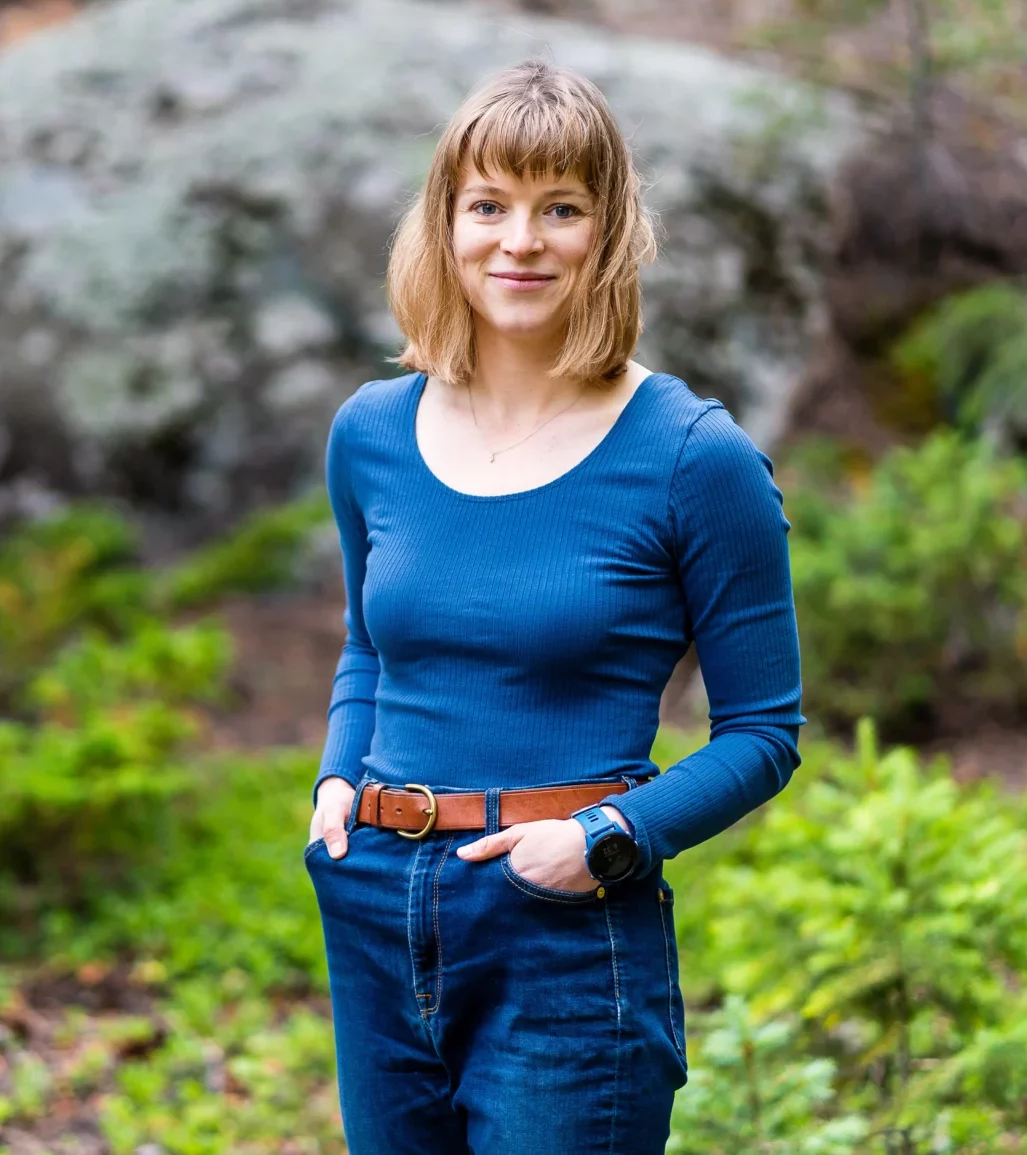
I empower others through nutrition to conquer their mountain adventures, drawing from my own experiences.
With a background in Biomedical Science and an M.S. in Human Nutrition, I’m a Certified Nutrition Specialist and Licensed Dietitian Nutritionist. My journey in functional medicine has equipped me to work alongside athletes and tackle complex health cases. As a passionate trail runner, backcountry skier, and backpacker, I strive to support others on their paths to peak performance and well-being.



Sign up for updates that come right to your inbox.