What Sets Alpine Fuel Nutrition Apart: Functional Sports Nutrition in the Front Range of Colorado
If you live along the Front Range of Colorado, you already know that we live in an athletic paradise. Between…

If you live along the Front Range of Colorado, you already know that we live in an athletic paradise. Between trail running in the foothills, climbing 14ers in the summer, rock climbing in our canyons, and backcountry skiing in the winter, our region is packed with recreational opportunities for active individuals.
It’s also saturated with sports dietitians, nutrition “coaches,” and athletic coaches of all bents – climbing, cycling, ultra running, you name it!
When you’re looking for help fueling your athletic adventures, it’s easy to get overwhelmed by the options around here. If you are an active person living in the Front Range who is seeking nutrition care, you probably want someone who can provide guidance about things such as your hourly carb intake and what electrolyte blend you should consume. However, the reality is that while basic sports nutrition strategies are important, there is so much more to fueling your active body and lifestyle, especially when you want to not only perform optimally but also be a healthy person as a whole.
At Alpine Fuel Nutrition, my approach to sports nutrition is fundamentally different from traditional models. In this blog, you’ll learn about what sets my nutrition practice apart, why my background as a Certified Nutrition Specialist (CNS®) brings a unique and valuable edge to your nutrition care, and how my functional sports nutrition approach can help you achieve your athletic goals and optimal health.

Functional sports nutrition is an evidence-based approach that goes above and beyond basic caloric and macronutrient needs to identify and resolve the underlying physiological imbalances, such as gut dysfunction, systemic inflammation, insulin resistance, stress hormone imbalances, or micronutrient depletions, that limit athletic performance and recovery.
Traditional sports nutrition often focuses on numbers and formulas, treating the human body a bit (dare I say it) like a machine: eat X grams of carbs per hour, drink Y ounces of fluid, and take a gel every 45 minutes.
While that framework may work fine for a perfectly healthy athlete, the reality is that most active peoples’ bodies don’t work like machines. Many active people these days (myself included!) also face one or more health issues that render formulaic nutrition recommendations unhelpful or even counterproductive. In addition, as active people living at altitude in the Front Range of Colorado, we must contend with altitude, temperature extremes, and intense dry air and UV that significantly impact our biochemistry and necessitate nutrition adjustments.
If you suffer from gastrointestinal distress daily or during exercise, chronic fatigue, brain fog on high-altitude summits, or stubborn autoimmune flares during peak training blocks, simply tweaking your hourly carb intake won’t solve these problems.
At Alpine Fuel Nutrition, we don’t just ask “What should you eat before, during, and after training or during your race?” We ask:
By digging into root causes through functional health assessments and targeted lab work, we can identify the foundational nutrition and lifestyle factors that are compromising your health and athletic performance so we can course-correct and get you feeling and functioning optimally.
Many active people are familiar with the Registered Dietitian (RD) credential, but fewer understand the depth and rigor behind the Certified Nutrition Specialist (CNS®) credential (or have simply just never heard of it) and why it is uniquely suited for functional health and personalized sports nutrition.
A Certified Nutrition Specialist (CNS®) is an advanced personalized nutrition practitioner holding a Master’s or Doctoral degree in human nutrition, who has completed 1,000 hours of supervised clinical practice under the guidance of experienced nutrition and medical professionals, and passed a rigorous board exam administered by the Board for Certification of Nutrition Specialists (BCNS). The CNS® is the sister profession of the RD, with many similarities and also some important differences.
Here is how a CNS differs from a traditional Registered Dietitian:
| Feature | Certified Nutrition Specialist (CNS®) | Registered Dietitian (RD) |
| Minimum Education | Master of Science (MS) or Doctorate in Human Nutrition or clinical health science. The CNS training includes functional medicine and functional nutrition training woven into the core curriculum. | Historically a Bachelor’s degree (Master’s required starting in 2024). Most dietetics programs (with a few exceptions, like Bastyr University’s program) do not include any functional medicine or functional nutrition training, though RDs can pursue training in these areas later through continuing ed. |
| Core Focus | Advanced personalized nutrition, root-cause analysis, and functional health science. A CNS® often works in a multidisciplinary medical practice or private practice, as opposed to an institutional setting. | Conventional nutrition care, clinical dietetics (often but not always in an institutional setting such as a hospital or food service administration), and traditional performance nutrition |
| Clinical Training | 1,000+ hours focused extensively on personalized nutrition interventions, gut health, metabolic function, nutrigenomics, and life cycle nutrition, among many other nutrition competencies. | 1,000+ hours with an emphasis on hospital/inpatient clinical rotations and food service systems |
| Approach to Athletes | Investigates individual biochemistry, the gut microbiome and digestive health, metabolic flexibility, and the body’s stress response system in addition to total energy availability, macro distribution, and foundational fueling guidelines | Focuses primarily on conventional sports nutrition guidelines, total energy availability (including relative energy deficiency in sport), and macro distribution. |
I have a lot of respect for RDs, so this isn’t about one credential being better than the other. My goal in sharing this information is to show how a CNS® is well-qualified to provide sports nutrition care; based on my experience, I firmly believe this is not just the realm of the RD and Certified Specialist in Sports Dietetics (CSSD).
Before obtaining my CNS credential, I earned my Bachelor of Science in Biomedical Science and my Master of Science in Human Nutrition. I chose the CNS path deliberately because I wanted to practice personalized, functional health.
While traditional RD programs often train practitioners for hospital settings, the CNS path is designed ground-up for advanced personalized nutrition care. When you work with a CNS, you are working with a practitioner uniquely trained to navigate complex cases, metabolic health, and individual biochemistry.
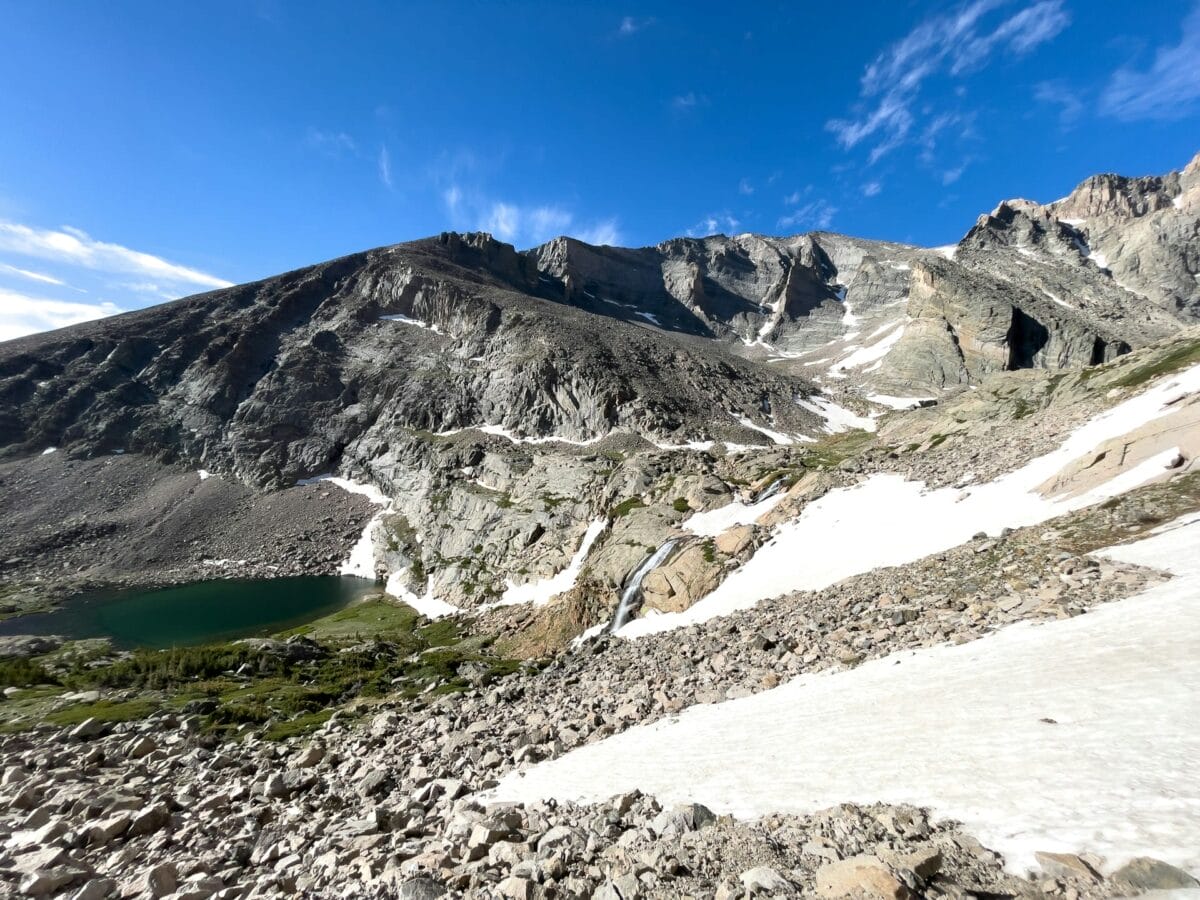
It’s hard for a nutrition professional to create a nutrition strategy for an active individual climbing Longs Peak or running a high-altitude trail race from a desk at sea level.
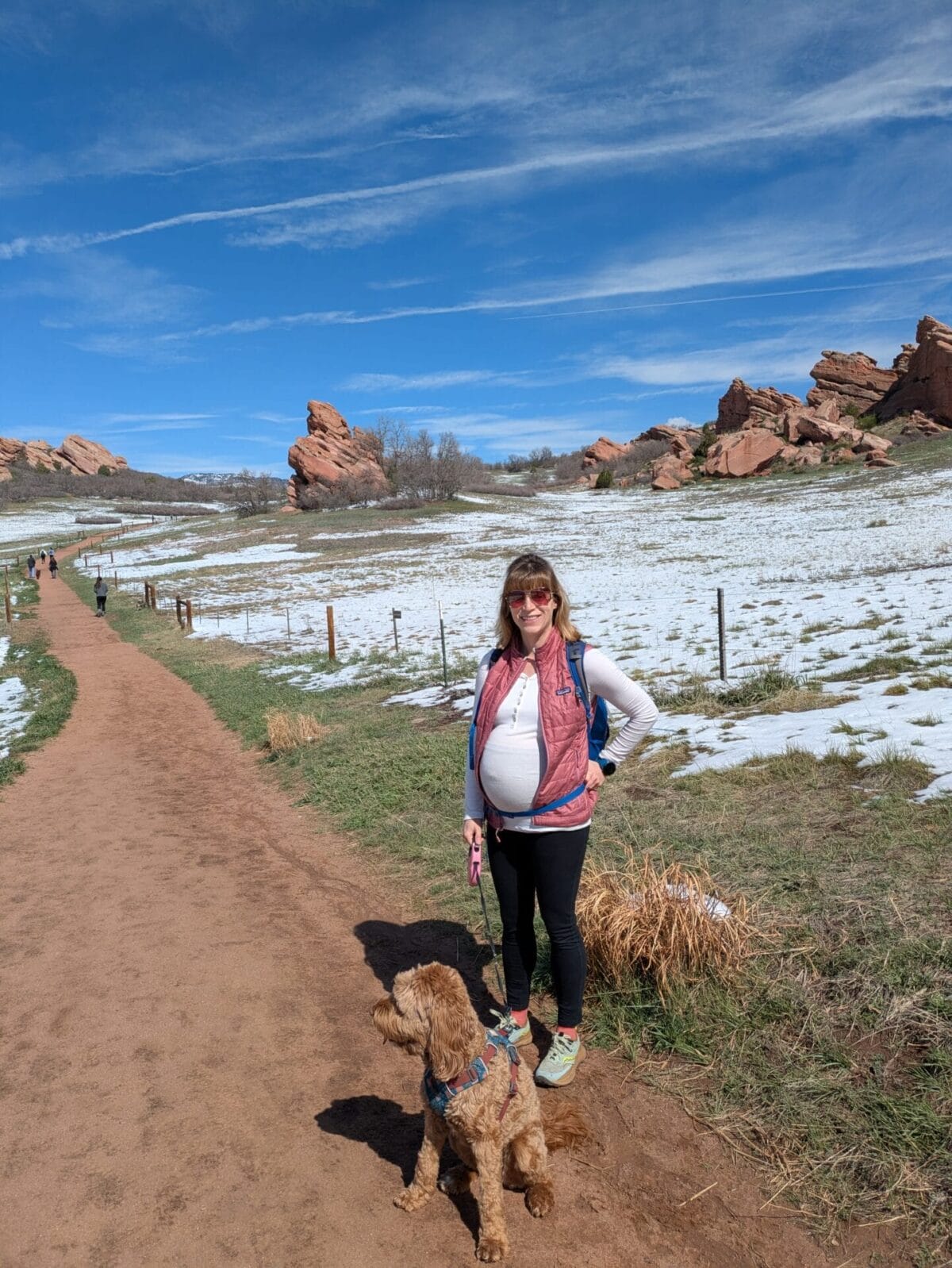
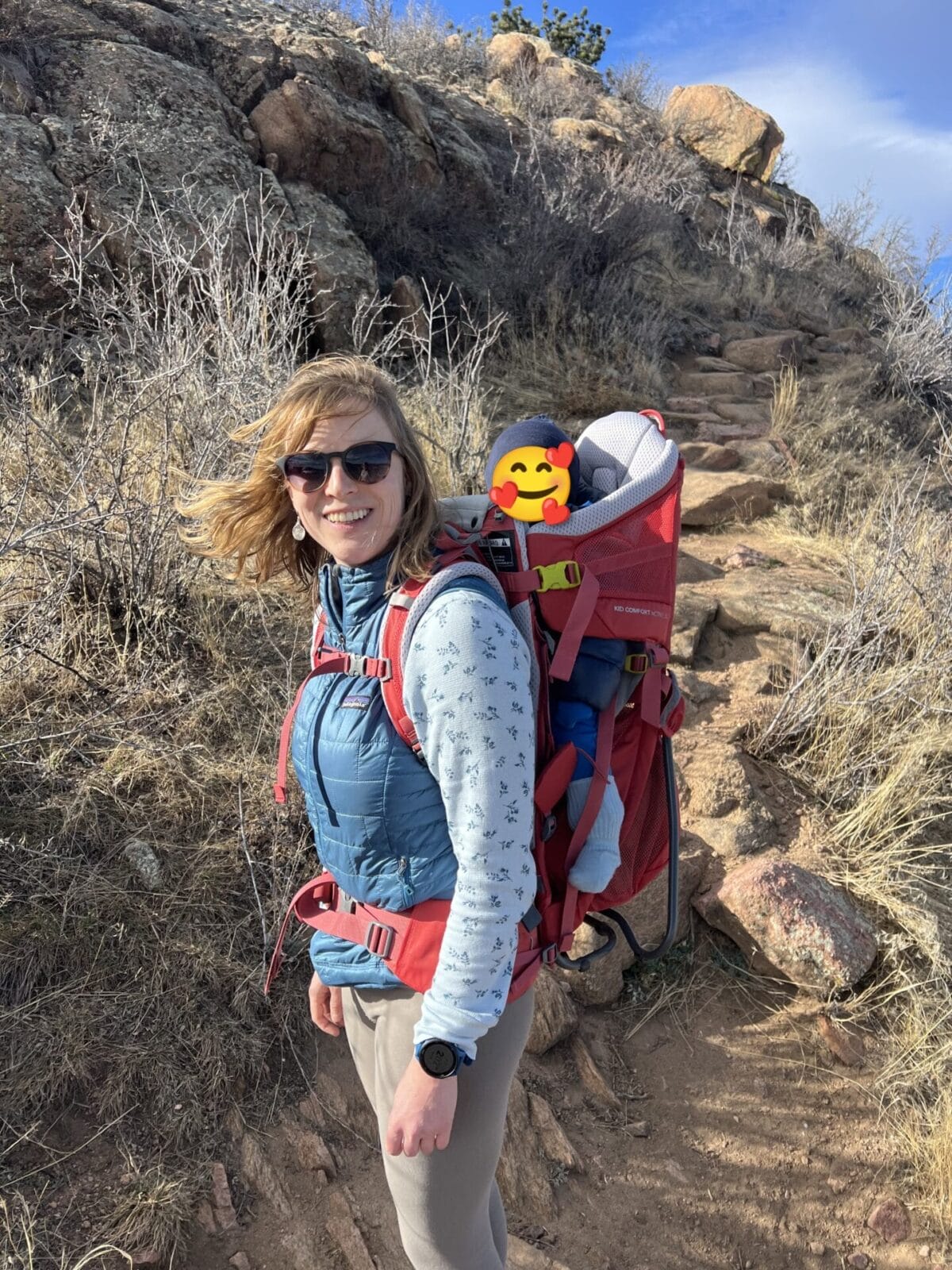
As a trail runner, mountaineer, climber, backcountry skier, backpacker, and mom living right here in the Colorado foothills, I experience the exact same environment you do. I know what it feels like to push through alpine winds, perform at altitude, and balance training with real-life family demands.
When we talk about nutrition for hiking 14ers or fueling long trail runs, my recommendations aren’t theoretical. They are rooted in real-world experience, biomedical science, and nutrition science.
Standard medical lab ranges are based on population data and averages, not on people who are trying to optimize their health and performance.
For example, a standard lab panel might flag a ferritin (stored iron) level of 20 ng/mL as “normal.” But for a female trail runner pushing hard at altitude, a ferritin level that low may lead to heavy legs, rapid heart rate, and severe fatigue on climbs. Similarly, a serum vitamin B12 level of 200 pg/mL will be flagged as “normal” even though it is well below the level where B12 insufficiency can contribute to low energy and cognitive dysfunction.
At Alpine Fuel Nutrition, we look at your health through a functional lens at factors such as (but not limited to):
If you’re tired of generic nutrition advice or feeling depleted and unable to reach your athletic goals despite “eating right,” hitting your hourly carb target, fine-tuning your sodium intake, and balancing your macros, it’s time for a personalized nutrition approach that digs deeper.
Whether you’re gearing up for 14er season, training for a mountain ultra or big climbing project, or trying to navigate sports fueling alongside an autoimmune condition, perimenopause, or busy family life, functional sports nutrition can help you thrive.
Book your complimentary discovery call to learn how we can work together to build your foundation for peak health and performance.

I empower others through nutrition to conquer their mountain adventures, drawing from my own experiences.
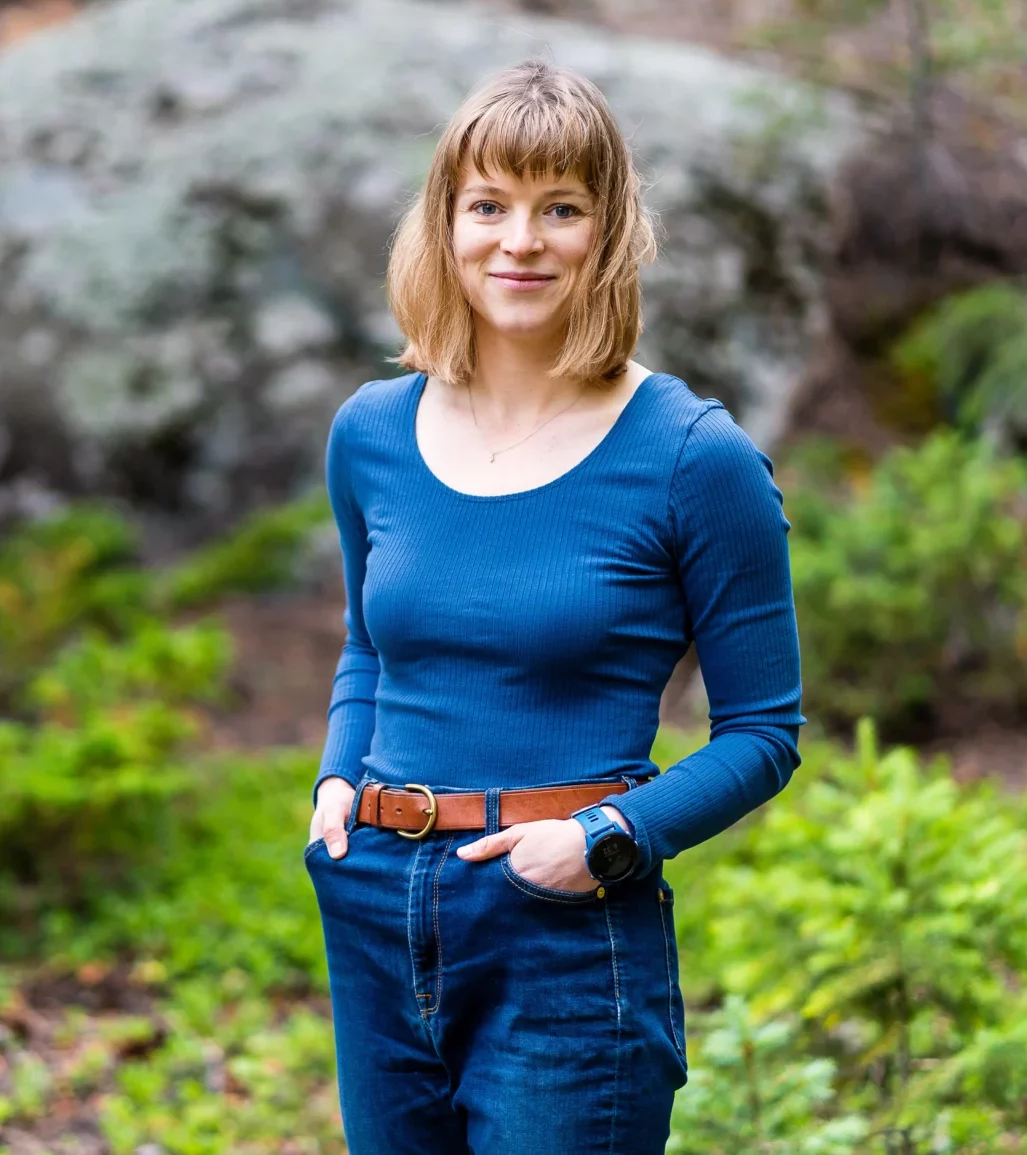
With a background in Biomedical Science and an M.S. in Human Nutrition, I’m a Certified Nutrition Specialist and Licensed Dietitian Nutritionist. My journey in functional medicine has equipped me to work alongside athletes and tackle complex health cases. As a passionate trail runner, backcountry skier, and backpacker, I strive to support others on their paths to peak performance and well-being.

Sign up for updates that come right to your inbox.