What Sets Alpine Fuel Nutrition Apart: Functional Sports Nutrition in the Front Range of Colorado
If you live along the Front Range of Colorado, you already know that we live in an athletic paradise. Between…

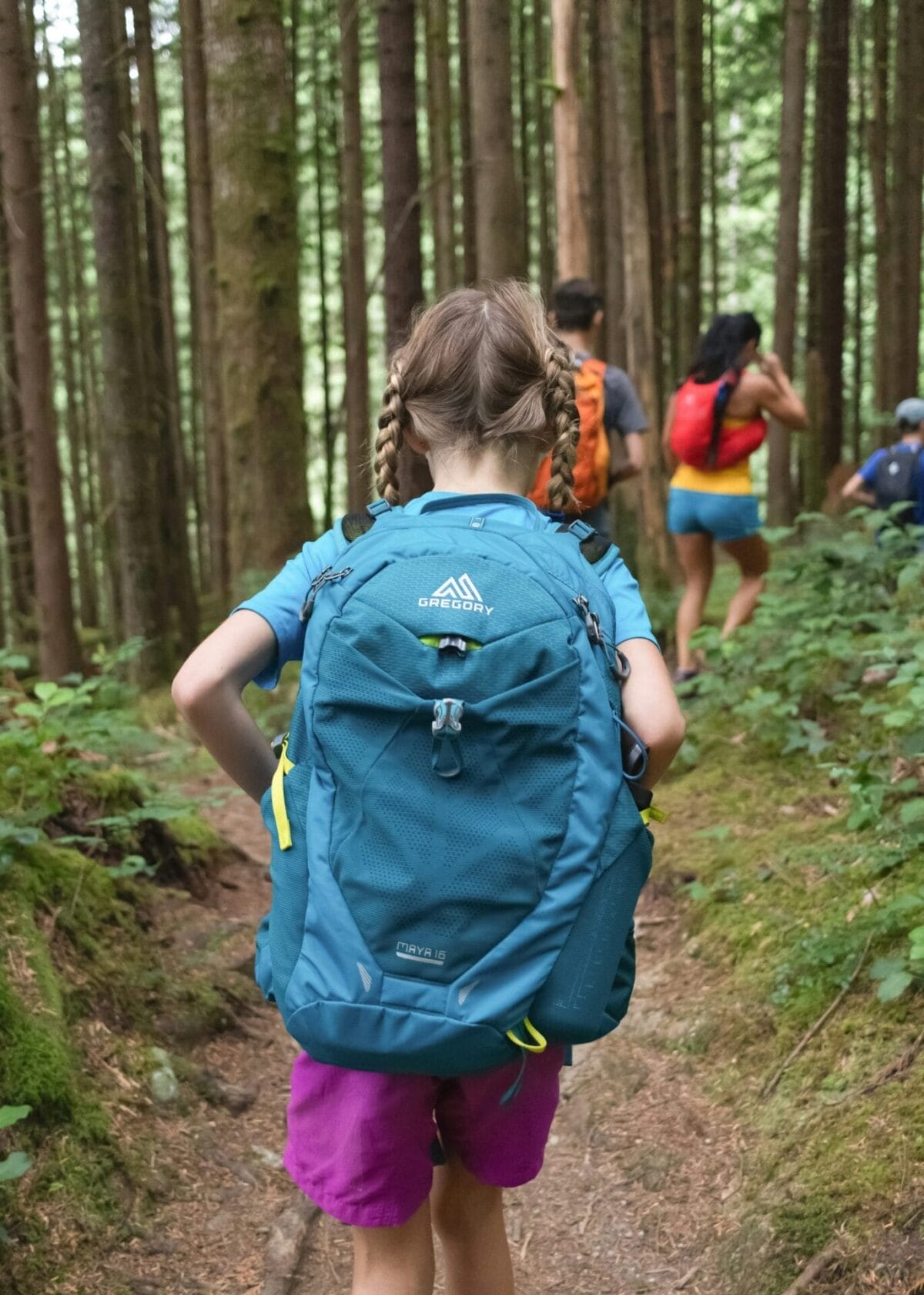
You’ve seen it happen: your child finishes practice or a training session exhausted and cranky, or complains about feeling sluggish on the track or climbing wall. Maybe they’re constantly getting injured, or they seem to catch every cold that goes around. When it comes to supporting active kids, parents often focus on finding the right team or coach, investing in quality equipment, and ensuring the kids get to practice on time. But there’s a huge performance factor that’s often overlooked – nutrition.
Nutrition isn’t just about helping your active child climb the next grade at the gym, run faster, or score more goals. It’s about supporting their rapidly growing bodies, protecting their long-term health, and establishing a positive relationship with food that will shape their entire lives. The eating patterns your child develops now during these critical years of growth and development will influence their health, energy, and relationship with their body well into adulthood.
Let’s talk about how to fuel your young athlete for success!
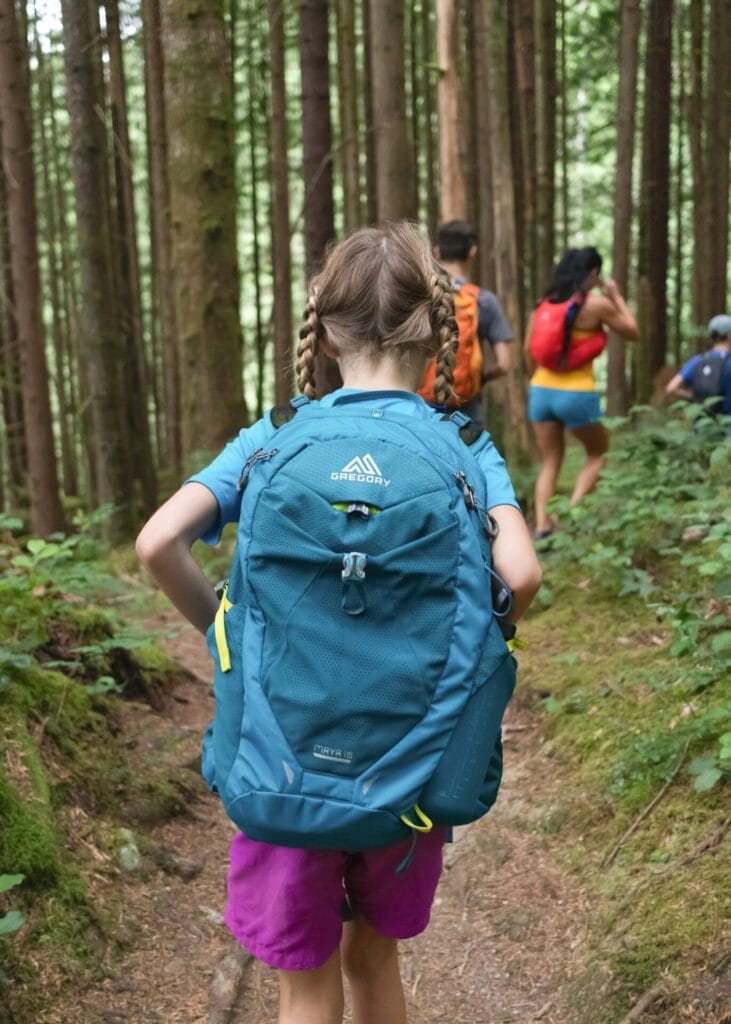
One of the big mistakes I see active kids make is simply not eating enough. That may sound surprising, but it is true!
Active children and teens need significantly more calories than their sedentary peers, and those needs vary wildly based on their age, size, sport, training intensity, and individual metabolism.
When young athletes consistently don’t eat enough to match their energy expenditure, they may develop a condition called Relative Energy Deficiency in Sport (RED-S). (Source) RED-S is associated with delayed puberty, weakened bones (and failure to achieve peak bone mass), frequent injuries, compromised immune function, and poor concentration. (Source) It may also disrupt normal growth in children and adolescents. (Source) In adolescent female athletes, it can show up as irregular or missing menstrual cycles.
However, we don’t want to load just any old calories into our active kids. A 400-calorie fast-food meal and a 400-calorie meal of grilled chicken thighs, quinoa with butter, and seasoned roasted vegetables affect your child’s body in completely different ways. Food quality matters enormously. Nutrient-dense whole foods provide not just energy, but the vitamins, minerals, essential fatty acids (like omega-3 fats), and phytonutrients (compounds in plant foods that offer us health benefits) that support everything from muscle repair to immune function to brain health.
The goal definitely isn’t to count your child’s calories; it is to learn (as a parent) and ultimately teach them how to build balanced, nourishing meals centered around whole, minimally-processed foods. If your child is highly active and you are concerned about their growth or the possibility of calorie insufficiency, work with a qualified nutrition professional to assess their nutritional intake and potential gaps in their diet. This is not a time to guess as to what your child may need!
Let’s break down what should be on your young athlete’s plate.
Protein is essential for building and repairing muscle tissue, supporting immune function, creating neurotransmitters (the substances that regulate mood and cognition), and maintaining healthy growth in children. Active kids generally need around 1.5 grams of protein per kilogram of body weight daily, though some may need more depending on their age, sport, and training intensity. (Source)
One practical tip is to prioritize protein in your child’s breakfast. Many kids start their day with cereal, toast, or pastries – foods that are primarily refined carbohydrates. Adding protein to breakfast (eggs, Greek yogurt, high-quality breakfast sausages) helps stabilize blood sugar, improves focus at school, maintains an even-keeled mood, and supports muscle recovery from the previous day’s training.
Carbohydrates are your young athlete’s main energy source. But not all carbs are created equal.
Whole-grain carbohydrates like quinoa, steel-cut or rolled oats, whole-grain bread, and sweet potatoes provide your child with sustained energy along with crucial fiber, B vitamins, and minerals. These whole-food carbs digest more slowly, providing steady fuel rather than the spike-and-crash pattern you get from refined carbohydrates.
Processed carbohydrates (white bread, breakfast cereal, pastries, chips) provide quick energy but little nutritional value. They’re usually stripped of fiber and nutrients, leaving just the starch and added sugars. While they have a place occasionally, they shouldn’t form the foundation of your child’s diet.
Fruits and vegetables are also carbohydrate sources, and they’re packed with vitamins, minerals, antioxidants, and fiber that support performance, recovery, and overall health. (Source)
Dietary fat is essential for athletic kids. Healthy fats support hormone production (crucial during puberty), brain development, the absorption of fat-soluble vitamins (vitamins A, D, E, and K), and provide energy. (Source)
Focus on sources of healthy fats like avocados, nuts, seeds, olive oil, fatty fish (salmon, sardines, mackerel), and nut butters. These provide essential fatty acids (fats that the body needs for healthy function and can’t produce itself) and other beneficial compounds that support everything from post-exercise recovery to cognitive function. (Source, Source)
Avoid trans fats (found in many processed foods) and limit heavily processed “vegetable” oils, like canola, corn, cottonseed, and soybean oils, when possible. Vegetable oils have high levels of omega-6 fatty acids, which can skew the balance of omega-3 to omega-6, a process linked to adverse health outcomes. (Source)
Here’s a sobering statistic: 62% of calories consumed by U.S. children come from ultra-processed foods. (Source) These foods are typically high in calories, refined carbohydrates, added sugars, and inflammatory fats, but low in the vitamins and minerals active children desperately need.
Several micronutrient deficiencies are particularly common, and particularly problematic, for active kids:
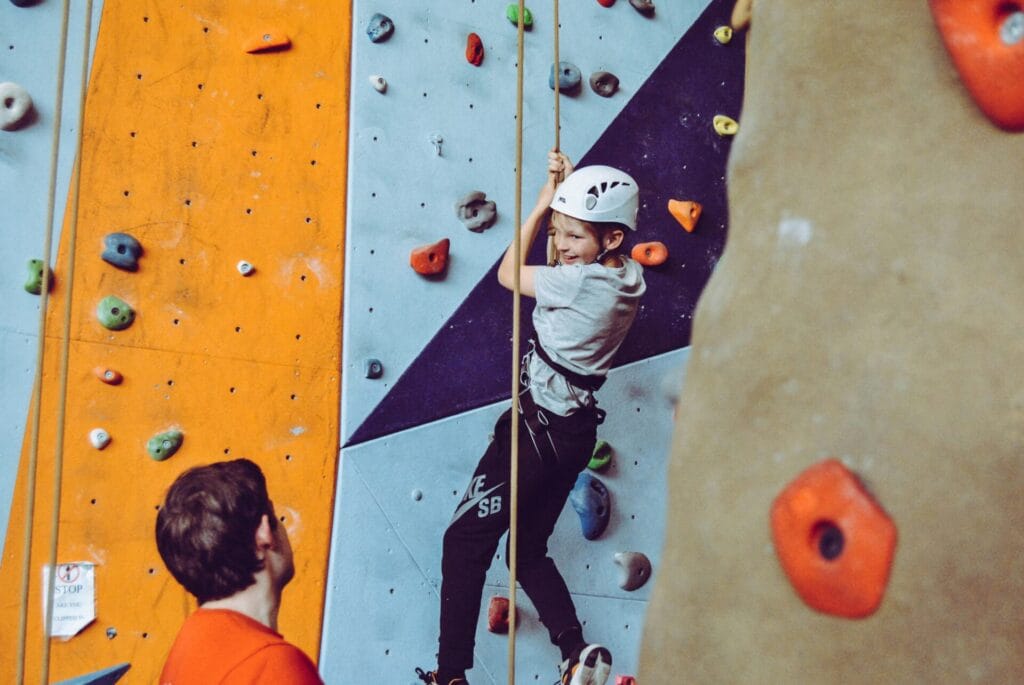
What your child eats, and when, can significantly impact their performance and recovery.
Before Activity: 1-3 hours before practice or competition, offer a meal or snack that combines carbohydrates with some protein. Think: whole-grain toast with nut butter and banana, Greek yogurt with granola and berries, or a turkey sandwich (choose the preservative-free high-quality turkey deli meat) on whole-grain bread. This provides readily available energy without causing digestive discomfort.
During Activity: For activities lasting less than 60-90 minutes, water is typically sufficient. For longer sessions, your child may benefit from a sports drink easily digestible carbohydrates. However, try to avoid feeding your child neon-colored ultra-processed sports drinks and processed sports nutrition products frequently.
Most commercial sports drinks are essentially sugar water with artificial colors and flavors. Artificial colors are linked to behavioral and allergic problems in children. (Source) Instead, consider whole-food carb options: orange slices, dates, bananas, or DIY sports drink (I have a recipe in this blog). These provide carbohydrates along with actual nutrients.
After Activity: The 30-60 minutes after intense exercise is a crucial window for recovery. Offer a combination of carbohydrates to replenish glycogen (stored glucose that fuels exercise) stores and protein to support muscle repair. A smoothie made with Greek yogurt, frozen fruit, and a healthy fat like almond butter or peanut butter is a great option!
The key is to prioritize real food over ultra-processed foods whenever possible. Your child is (most likely) already exposed to ultra-processed foods day in and day out at school, practice, friends’ houses, etc. They need you to set the example at home by prioritizing whole foods and setting boundaries around ultra-processed foods, which should ideally be for occasional enjoyment.
Proper hydration is essential for performance, temperature regulation, and overall health. But it doesn’t need to be complicated.
Water should be your first choice. Filtered water is ideal, as it removes potential contaminants that are so common in our water these days due to environmental pollution. Encourage your child to drink water regularly throughout the day, not just during practice. A good rule of thumb: their urine should be pale yellow, not dark or completely clear.
Electrolytes have their place, but perhaps not as often as you think. For activities lasting less than an hour in moderate temperatures, water is sufficient. For longer, more intense sessions, especially in heat and at altitude, electrolytes (sodium, chloride, potassium, magnesium) become important. But you don’t need artificial, ultra-processed neon-colored drinks to get them. There are many natural electrolyte blends on the market that are free of artificial colors and flavors.
Be cautious with fruit juice. While it seems healthy, juice is concentrated fruit sugar without the fiber that helps regulate blood sugar. Fruit juice intake in children is linked to small increases in BMI that may compound in an unhealthy way over time. (Source) Whole fruit is usually going to be a much better choice than fruit juice (even 100% fruit juice).
Avoid making sugary drinks the norm. It almost goes without saying, but sports drinks, sodas, and sugar-sweetened beverages shouldn’t be everyday choices. They provide empty calories and can contribute to dental problems, blood sugar dysregulation, and a preference for overly sweet flavors that may make your child a very picky eater with a one-track mind for sugary foods.
How you and your other household members talk about food and bodies has a huge impact on your active child’s relationship with food and their body.
Avoid labeling foods as “good” or “bad,” which can create guilt, shame, and disordered eating patterns. Instead, talk about how different foods help their bodies perform and feel.
Rather than: “Don’t eat that cookie, it’s bad for you,” try: “Cookies are fine sometimes! Let’s also make sure you’re getting the nutritious foods that give you energy for climbing practice.”
Focus on what foods do for the body rather than what they do to the body. “Protein helps your muscles recover after practice” is empowering.
Be very mindful of body talk: both about your child’s body and your own. Comments about weight, size, or appearance (even well-intentioned ones) can contribute immensely to body image issues and disordered eating. Instead, celebrate what bodies can do: “Your body is getting so strong!”
Remember: your children are watching how you relate to food and your own body. If you’re constantly dieting, expressing guilt about eating, or criticizing your appearance, they’re learning that this is normal. Model the balanced, positive relationship with food that you want them to have.
In addition, I recommend practicing extreme caution around children and vegetarian and vegan diets. These restrictive diets are linked to eating disorders in children, and can also drive nutrient deficiencies. (Source)
Supplements cannot replace a nutrient-dense diet, even in a super picky eater. They’re called supplements for a reason; they’re meant to supplement a solid nutritional foundation, not serve as the foundation itself.
A multivitamin simply cannot provide all of the beneficial compounds (antioxidants, phytonutrients, fiber) that come packaged with nutrients in real food.
That said, some young athletes may benefit from specific supplementation:
Supplementation should be individualized to your child and ideally guided by a qualified professional who can assess your child’s specific needs, consider their diet, and monitor for deficiencies through appropriate testing.
Every young athlete is different. Their nutritional needs vary based on their age, size, sport, training volume, growth stage, food preferences, family food culture, and individual metabolism. What works perfectly for one child might not be right for another.
If you’re feeling overwhelmed by all this information, or if you’re concerned that your child isn’t getting what they need to thrive, I’m here to help! As a nutrition professional specializing in active individuals, including active kids, I work with families to create individualized nutrition plans that support long-term health and performance without creating stress, rigidity, or unhealthy relationships with food.
Together, we can:
The effort you put into your child’s nutrition now will pay dividends not just in their athletic performance, but in their energy, health, confidence, and relationship with food for decades to come.
Ready to optimize your young athlete’s nutrition? Schedule a discovery call with me to learn how I can help your active child fuel and nourish their body for health and success!
The content provided on this nutrition blog is intended for informational and educational purposes only. It is not a substitute for professional medical advice, diagnosis, or treatment. Always seek the advice of your physician or other qualified health provider with any questions you may have regarding a medical condition. Never disregard professional medical advice or delay seeking it because of something you have read on this blog.
The information and recommendations presented here are based on general nutrition principles and may not be suitable for everyone. Individual dietary needs and health concerns vary; what works for one person may not be appropriate for another.
I make every effort to provide accurate and up-to-date information, but the field of nutrition is constantly evolving, and new research may impact dietary recommendations. Therefore, I cannot guarantee the accuracy or completeness of the information presented on this blog.
If you have specific dietary or health concerns, please consult a qualified nutritionist or another healthcare professional for personalized guidance.

I empower others through nutrition to conquer their mountain adventures, drawing from my own experiences.
With a background in Biomedical Science and an M.S. in Human Nutrition, I’m a Certified Nutrition Specialist and Licensed Dietitian Nutritionist. My journey in functional medicine has equipped me to work alongside athletes and tackle complex health cases. As a passionate trail runner, backcountry skier, and backpacker, I strive to support others on their paths to peak performance and well-being.






Sign up for updates that come right to your inbox.