What Sets Alpine Fuel Nutrition Apart: Functional Sports Nutrition in the Front Range of Colorado
If you live along the Front Range of Colorado, you already know that we live in an athletic paradise. Between…

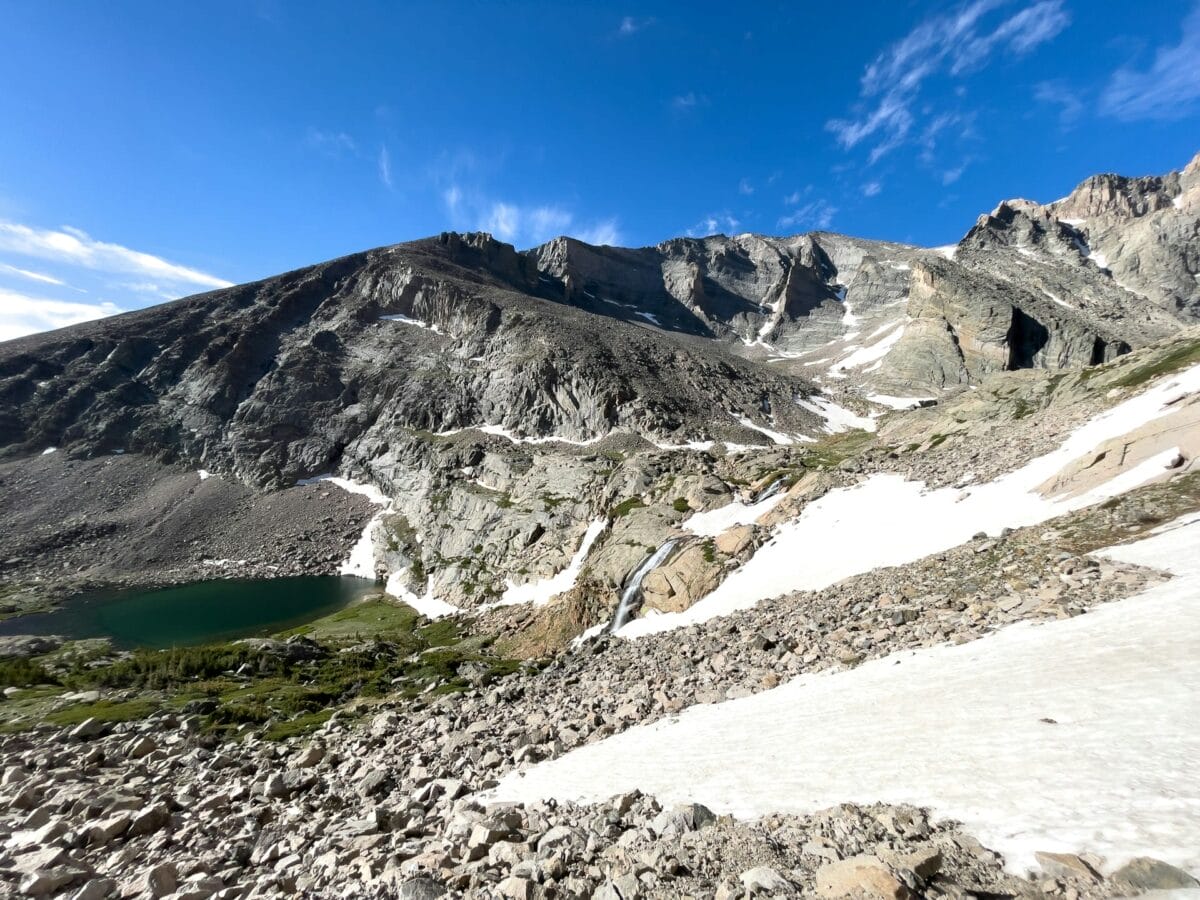
14er hiking season is almost here! If you have goals to hike one or a bunch of 14ers this summer, then you need to start dialing in your nutrition now.
Here’s what might surprise you: optimizing your experience hiking 14ers isn’t just about what you eat the day of the hike—it ties back to your nutrition in the weeks and months leading up to it.
Most hikers focus exclusively on trail snacks, water, and electrolytes. They stock up on energy gels, grab a box of granola bars, and call it good. But if you want to feel strong at 14,000 feet, avoid the dreaded afternoon energy crash, and actually enjoy the experience of summiting peaks like Mount Bierstadt, Quandry, or Longs Peak, you need to think bigger.
Your body’s ability to perform at altitude—to transport oxygen efficiently, maintain steady energy levels, make smart decisions on the trail, and recover quickly—is built on a foundation that starts in your kitchen every single day, not just on summit morning.
As a functional sports nutritionist working with hikers and outdoor athletes throughout the Front Range of Colorado, I’ve seen firsthand how the right nutritional foundation transforms people’s high-altitude experiences. Read on to learn about nutrition for hiking 14ers, from the months of preparation through your post-hike recovery meal.
Let’s start with the foundation that most hiking blogs completely skip when discussing your nutrition for hiking 14ers: your everyday nutrition.
The truth is, what you eat in April, May, and June directly impacts how you’ll feel on Quandary Peak in July. Your daily diet determines your fitness, your micronutrient stores, your metabolic flexibility, your muscle glycogen capacity, and your body’s ability to adapt to the stress of high altitude.
Build a Balanced, Whole-Foods, Nutrient-Dense Daily Diet
Eating whole foods matters for altitude performance: whole foods provide the full spectrum of vitamins, minerals, antioxidants, and phytonutrients that your body needs to function optimally under stress.
When you’re hiking at 12,000+ feet, your body is under significant physiological stress. Oxygen availability is limited and your cardiovascular system is working harder. Your brain and muscles are demanding fuel and your cells are managing oxidative stress (an imbalance between reactive molecules made in your body and the availability of antioxidants to neutralize them). All of these processes require micronutrients—vitamins and minerals that act as cofactors in thousands of biochemical reactions.
A diet built on ultra-processed foods and refined carbohydrates simply doesn’t provide the raw materials your body needs to perform at altitude.
Instead, during your training season for 14er hiking, focus on:
This isn’t about perfection. It’s about building a strong nutritional foundation that supports your body’s demands.
Your Iron Status is Key!
Iron is one of the most important micronutrients you need to perform at altitude. I’ll give you a sneak peek into iron here, but read my comprehensive blog about iron for active individuals for even more information.
Iron is essential for oxygen transport. It’s the central component of hemoglobin, the protein in your red blood cells that carries oxygen from your lungs to your muscles (and other parts of your body, of course). At altitude, where oxygen is already limited, your iron status becomes even more critical.
But here’s what most people don’t know: standard iron tests (like serum iron or hemoglobin) don’t tell the whole story. It’s important to do a comprehensive iron panel that includes these markers PLUS ferritin, the storage form of iron in your body.
For optimal performance at altitude, I recommend a ferritin level of 70-100 ng/mL. Many active women, in particular, have ferritin levels well below this range, often in the 20-40 range, which can significantly impact energy levels and endurance capacity.
If you’re planning to hike 14ers this summer and you don’t know your ferritin level, now is the time to get it tested. Low ferritin will absolutely limit your performance when you’re asking your body to perform at 13,000 feet with 40% less oxygen.
This is exactly the type of functional nutrition work that can make or break your 14er season—and it starts months before you ever hit the trail.
Let’s talk about the 24 hours leading up to your hike. This is where most hikers start thinking about nutrition, but they often miss the mark.
The Night Before: Balanced, Not Bloated
The night before a big hike, many people think they need to “carb load” with massive plates of pasta, white bread, and refined carbohydrates. This outdated approach often leaves you feeling bloated, sluggish, and uncomfortable.
Instead, eat a balanced dinner that includes:
This balanced approach provides sustained energy without the digestive discomfort that comes from overloading on refined carbs. Your body will store adequate glycogen (glucose stored in your muscles and liver) without the blood sugar rollercoaster.
For example, a dinner of grilled salmon with roasted sweet potatoes, sautéed greens with olive oil, and a side of quinoa provides everything your body needs to fuel tomorrow’s adventure.
Morning Of: The Balanced Breakfast You Actually Need
I’m going to be really honest here – a cup of cereal and a cup of coffee is not a balanced breakfast, no matter what the cereal box claims.
If you’re planning to hike for 4-8 hours at altitude, you need real fuel. A balanced breakfast should include:
For example:
Eat this meal 1.5-2 hours before you start hiking to allow for proper digestion. You want to start your hike feeling energized, not uncomfortably full.
Once you’re on the trail, your nutrition strategy shifts to maintaining steady blood sugar and energy levels. The goal is to prevent “bonking”—that awful feeling when your energy completely crashes and every step feels like you’re walking through mud.
The Strategy: Pair Whole-Food Carbs with Protein and Fat
The key to stable energy on the trail is selecting snacks that provide whole-food carbohydrates paired with protein and fat. This combination slows down carbohydrate absorption, resulting in steady blood sugar rather than the spike-and-crash pattern you get from eating refined carbs alone.
Think of protein and fat as the “metering system” for your carbohydrates. They help your body absorb glucose more gradually, providing sustained energy for hours rather than a quick burst followed by a crash.
Trail Snack Ideas for Stable Energy
Here are some of my favorite options that I recommend to clients hiking peaks like Mount Bierstadt, Quandary Peak, or the Grays and Torreys combo:
Adjusting for Duration, Intensity, and Individual Needs
The physiology of hiking for more than 2 hours or hiking at a brisk pace requires carbohydrate intake to replenish glycogen and maintain your pace. Your body’s glycogen stores are limited, and once they’re depleted, your energy and performance will suffer significantly.
Trail nutrition options that provide quality carbohydrates include:
If hiking for more than 2 hours, you may benefit from consuming 30-60 grams of carbohydrates per hour. Start at the low end of this range (30 grams) and work up if needed based on how you feel.
For example, a medium-sized banana provides 27 grams of carbs. Pair your banana with 2 tablespoons of almond butter (which provides protein and fat), and you have a perfectly balanced trail snack that will sustain your energy for the next hour or two.
As you climb higher, your body’s nutritional needs shift. This is something many hikers don’t realize until they’re struggling at 12,000 feet wondering why they feel so depleted.
The Physiology of High Altitude
At altitude, your body may rely more heavily on carbohydrates for fuel. Carbohydrate metabolism requires less oxygen than fat metabolism. When oxygen is limited (as it is at 10,000-14,000 feet), your body preferentially uses carbohydrates because it’s more oxygen-efficient.
This means that as you approach the summit of Longs Peak or any other high-altitude 14er, you’ll want to shift your fueling strategy to emphasize carbohydrates more heavily.
Best High-Altitude Fuel Options
Focus on easily digestible carbohydrate sources that don’t require much digestive effort:
Notice what’s on this list: whole foods that provide carbohydrates along with vitamins, minerals, and phytonutrients. These options provide significantly more nutritional value than gels or Bloks (more on that below).
At higher altitudes, you may also find that your appetite decreases. This is normal, but it’s crucial to continue fueling even if you don’t feel hungry. Set a timer on your watch to remind yourself to eat every 30-45 minutes.
Here’s my contrarian take that often surprises people: most hikers don’t need to fuel with gels, Bloks, and other sugary sports nutrition products. They simply aren’t hiking at an intensity that requires these highly-processed, sugary fuels.
When You Don’t Need Gels
If you’re hiking at a recreational pace—even if you’re hiking for 6-8 hours—whole-food options will serve you better than sports nutrition products. Whole foods provide:
The marketing around sports nutrition products has convinced many outdoor enthusiasts that they need these products to perform. But the reality is that these products were designed for high-intensity endurance athletes (think: marathon runners, cyclists racing for hours) who need rapid carbohydrate absorption during sustained high-intensity efforts.
Most 14er hikers simply aren’t operating at that intensity level.
The Exception: When Gels Might Make Sense
There are scenarios where sports nutrition products can be useful:
But for the vast majority of hikers tackling Colorado 14ers at a recreational pace, whole-food options will provide superior nutrition and better sustained energy.
Proper hydration is just as critical as nutrition, especially at altitude where you’re losing more fluid through respiration and may not feel as thirsty as you should.
Start with Your Baseline
Aim to drink half your body weight in ounces of water daily. This is your baseline hydration need before you even factor in hiking.
For example, if you weigh 150 pounds, you should be drinking approximately 75 ounces of water per day as your baseline. This ensures you start your hike properly hydrated rather than playing catch-up on the trail.
Adjust for Altitude and Activity
The amount of water you need to drink while hiking depends on multiple factors, including your body weight, sex, age, the intensity level of your hike, environmental conditions (altitude, heat), and your sweat rate. Therefore, it will take some experimentation to determine your optimal hydration strategy while hiking.
According to the Institute for Altitude Medicine, you should consume an additional 1-1.5 liters of water daily at altitude. This accounts for increased fluid loss through respiration in the dry mountain air and your body’s increased metabolic demands.
Don’t Forget Electrolytes
It is also important to consume electrolytes when hiking for more than 2 hours, especially if you are hiking at altitude or breaking a sweat, provided you don’t suffer from a health condition or take medications that preclude using supplemental electrolytes.
Electrolytes—particularly sodium, potassium, and magnesium—are essential for:
I often recommend a low-osmolality electrolyte mix such as Skratch Labs Hydration Sports Drink Mix. Low-osmolality formulas are absorbed more quickly and are less likely to cause digestive upset than high-sugar sports drinks.
A Word of Caution
Always consult with your physician before taking any supplement, including electrolyte supplements, especially if you have any health conditions or take medications that affect fluid or electrolyte balance.
You’ve summited, taken your photos, and made it back to the trailhead. You’re exhausted, maybe a little sunburned, and ready to collapse. But before you do, you need to think about recovery nutrition.
What you eat after hiking is as important as what you eat before and while hiking! Post-hike nutrition supports muscle recovery, allowing muscles to repair overnight so you can go out and hike again the following day, if you so choose.
The 2:1 Carb-to-Protein Ratio
Many hikers do well eating a 2:1 ratio of carbs to protein after a hike. Here’s why this ratio works:
Your muscles will be more sensitive to insulin after a hike and thus more readily able to take up glucose from your bloodstream. This means you can tolerate more carbohydrates after a hike without experiencing a significant blood sugar spike compared to before your hike.
This post-exercise insulin sensitivity is a metabolic window you want to take advantage of. Eating carbohydrates during this window helps replenish your muscle glycogen stores efficiently, preparing your body for your next adventure.
Don’t Skip the Protein
It is crucial to ensure you eat plenty of protein in your post-hike meal.
The amino acids in protein are used to repair damaged muscle tissue and support beneficial training adaptations. When you hike, you create micro-tears in your muscle fibers. Protein provides the building blocks your body needs to repair this damage and build back stronger.
Protein needs vary widely from one person to the next. For healthy hikers seeking to maintain their weight, a total daily protein intake of 1.4-2.0 g/kg body weight may be appropriate. Aim to eat approximately 1/3 of your daily protein intake in your post-hike meal.
For example, if you weigh 70 kg (154 pounds) and aim for 1.6 g/kg, your daily protein target would be 112 grams. Your post-hike meal should include roughly 35-40 grams of protein.
Why Carbs + Protein Work Better Together
Eating sufficient carbohydrates after hiking will help you replenish your glycogen stores. Furthermore, research shows that pairing carbohydrates with protein in a post-exercise meal is more effective at replenishing glycogen than consuming carbohydrates alone.
Combining carbohydrate and protein intake may be more effective for replenishing glycogen because leucine, a muscle-building amino acid found in protein, can promote insulin release. Insulin is a hormone your pancreas makes that helps your tissues take up glucose, including liver and muscle tissues.
Combining carbohydrates and protein may also stimulate glycogen synthase, a critical enzyme involved in glycogen formation. This synergistic effect means you get better recovery from eating carbs and protein together than from eating either macronutrient alone.
Add Anti-Inflammatory Foods
I also recommend incorporating anti-inflammatory foods into your post-hike meal. While inflammation is a normal and desired short-term response to exercise, chronic inflammation can impair exercise recovery and subsequent exercise performance.
Foods with anti-inflammatory properties that may support exercise recovery include:
Try to eat this recovery meal within about an hour of finishing your hike to maximize the benefits of that post-exercise metabolic window.
Nutrition for hiking 14ers isn’t one-size-fits-all. Your energy needs, hydration strategy, and tolerance at 12,000+ feet are unique—and mistakes can mean the difference between powering to the summit or turning around early.
This blog has provided an overview of the nutritional strategies that support high-altitude hiking performance, from the foundational work you do months in advance to your post-hike recovery meal. But here’s the reality: truly optimizing your nutrition requires personalization.
Your iron status, your individual carb and protein needs, your digestive tolerance at altitude, your training volume, your health history—all of these factors influence what will work best for your body.
If you want a personalized plan that helps you hike stronger, avoid energy crashes, and actually enjoy the experience of summiting Colorado’s beautiful 14ers, I work with Front Range hikers to dial in nutrition for high-altitude performance.
We’ll look at your complete health picture, test your micronutrient status, identify your individual fuel needs, and create a customized nutrition strategy that supports your specific goals—whether that’s summiting your first 14er or completing all 58 peaks.
Schedule your discovery call and let’s make this your strongest 14er season yet!
The content provided on this nutrition blog is intended for informational and educational purposes only. It is not a substitute for professional medical advice, diagnosis, or treatment. Always seek the advice of your physician or other qualified health provider with any questions you may have regarding a medical condition. Never disregard professional medical advice or delay seeking it because of something you have read on this blog.
The information and recommendations presented here are based on general nutrition principles and may not be suitable for everyone. Individual dietary needs and health concerns vary; what works for one person may not be appropriate for another.
I make every effort to provide accurate and up-to-date information, but the field of nutrition is constantly evolving, and new research may impact dietary recommendations. Therefore, I cannot guarantee the accuracy or completeness of the information presented on this blog.
If you have specific dietary or health concerns, please consult a qualified nutritionist or another healthcare professional for personalized guidance.

I empower others through nutrition to conquer their mountain adventures, drawing from my own experiences.
With a background in Biomedical Science and an M.S. in Human Nutrition, I’m a Certified Nutrition Specialist and Licensed Dietitian Nutritionist. My journey in functional medicine has equipped me to work alongside athletes and tackle complex health cases. As a passionate trail runner, backcountry skier, and backpacker, I strive to support others on their paths to peak performance and well-being.

Sign up for updates that come right to your inbox.