What Sets Alpine Fuel Nutrition Apart: Functional Sports Nutrition in the Front Range of Colorado
If you live along the Front Range of Colorado, you already know that we live in an athletic paradise. Between…

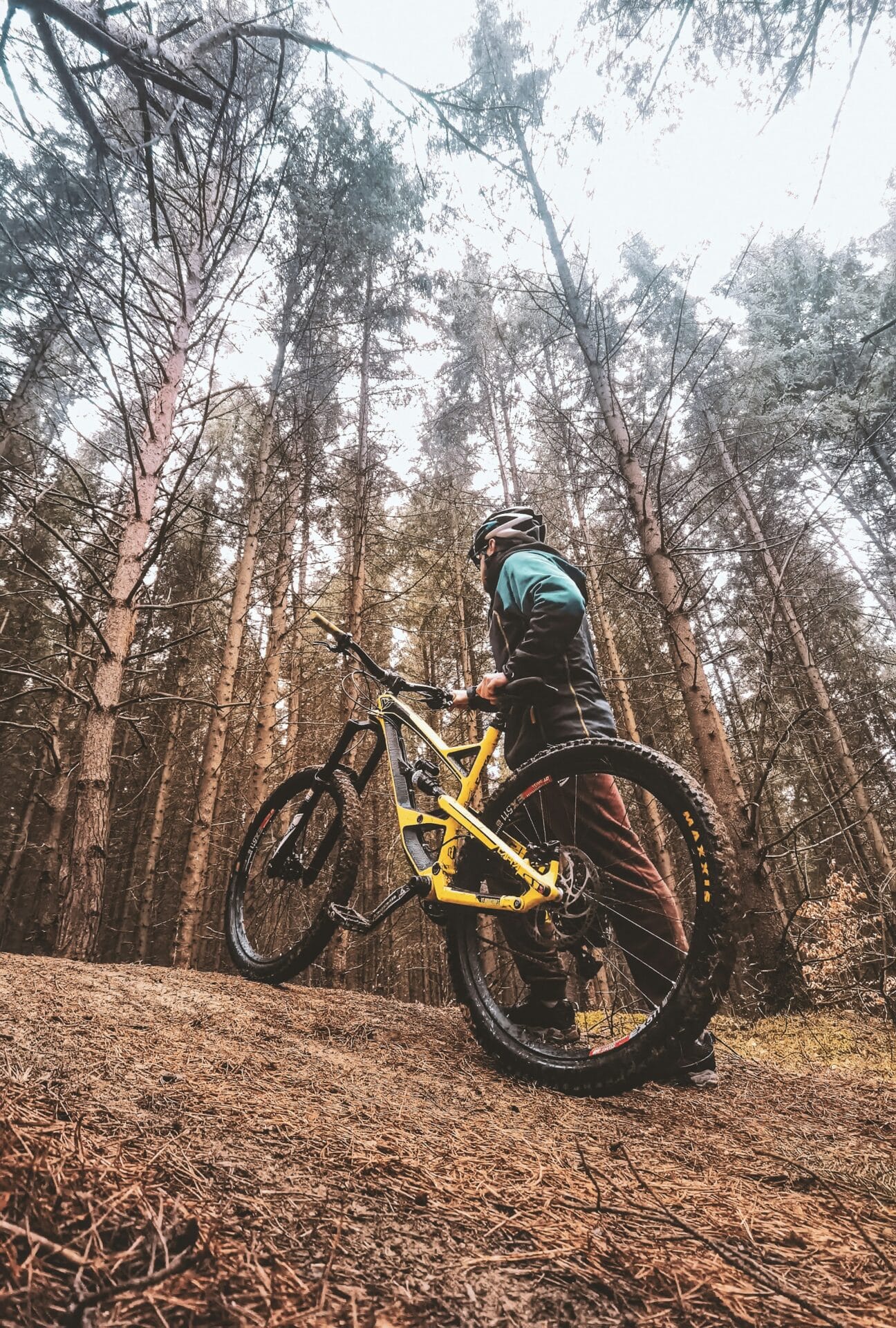
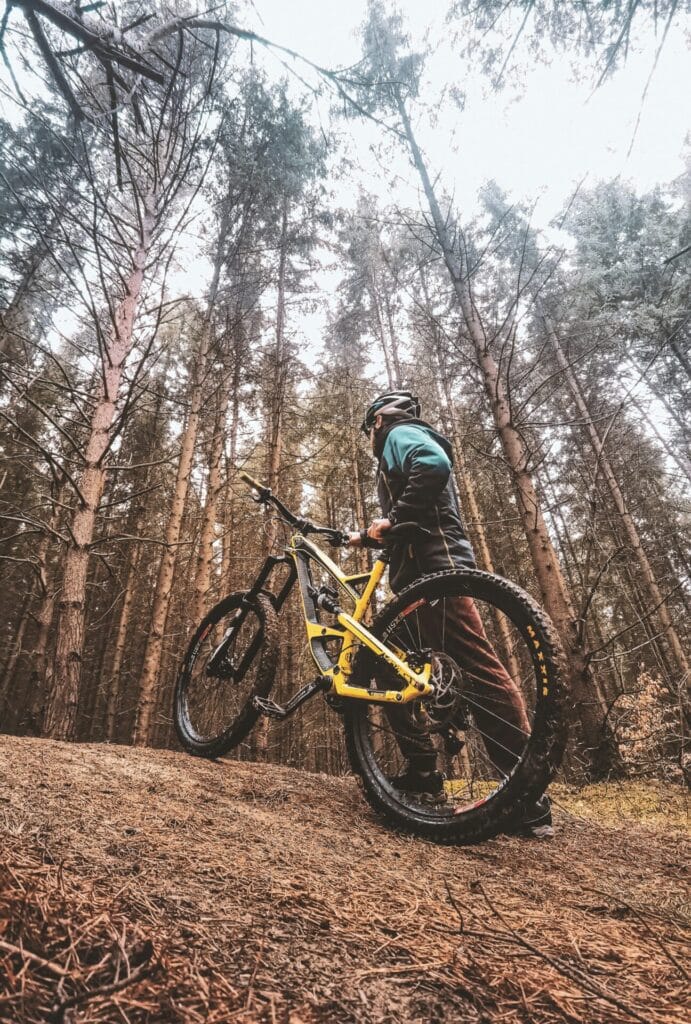
Training for a long trail run, a big mountain objective, or an all-day ride asks a lot of your body. When you’re also managing an autoimmune condition, the margin for error gets smaller—and the consequences of bungling your nutrition and training get bigger.
Many endurance athletes in this position feel like they’re constantly walking a tightrope: push performance and risk a flare, or prioritize symptom control and watch fitness plateau. However, the tradeoff isn’t as fixed as it seems. The reality is that to be as active as you want and perform well, your health must come first.
With the right nutrition strategy, you can optimize your health while living with an autoimmune condition and support performance. It just requires a more nuanced approach than standard sports nutrition or generic “anti-inflammatory diet” advice. Read on to learn how you can support your health and optimize your performance as an endurance athlete while managing an autoimmune disease.
Endurance training is a stressor to your body. And that’s not a bad thing. Your body needs to experience some stress to adapt to training and get fitter, ultimately making you a better athlete. In addition, moderate physical activity is associated with improvements in some autoimmune conditions. (Source) However, when you’re managing an autoimmune condition AND training hard, long-duration endurance exercise can:
Increased inflammation, a disrupted gut microbiome, increased intestinal permeability, and HPA axis dysfunction are all, in turn, associated with autoimmunity. (Source, Source, Source, Source)
If your nutrition isn’t tailored to regulate inflammation, support your gut, and balance stress, you may experience post-exercise fatigue, GI distress, or flares.
It’s not just the training—it’s the combination of training plus suboptimal daily nutrition and fueling.
I often see athletes and active people with autoimmune conditions at one of two ends of the nutrition spectrum: some are still exclusively focused on their performance at the expense of their health, consuming too many carbohydrates (particularly refined ones), processed sports nutrition products, and lacking the nourishing, nutrient-dense foods their bodies need to repair and recover.
At the other end of the spectrum are active people eating solely for their general health – they may be eating a low-carb diet, practicing intermittent fasting, or cutting out many food groups from their diets. Both of these patterns are problems and can drive fatigue in athletes with autoimmune conditions.
Too many refined carbs and sports nutrition products can lead to a blood sugar roller coaster, which is associated with an exacerbation of autoimmune processes and fatigue. (Source)
Too few whole, nutrient-dense foods deprive the body of the vitamins, minerals, fiber, and phytonutrients needed to regulate the immune system and support the body’s energy systems.
And a carbohydrate intake that’s too low can compromise performance.
These mismatched eating patterns not only drive fatigue but also compromise recovery and raise physiological stress, potentially triggering autoimmune flares.
So what’s the solution when both extremes pose a problem? Instead, these active people need to build a nutrition foundation (preferably with the support of a qualified nutrition professional) that supports their health and performance. Their nutrition approach may even need to change over the course of their training cycles (this is called “periodized nutrition”).
Research shows a compelling association between gut microbiome imbalances and increased intestinal permeability (a condition in which intestinal cells develop gaps between them, allowing substances to leak from the gut into the systemic circulation). (Source, Source) Importantly, these issues can occur in people without obvious gastrointestinal symptoms like bloating, loose stools, or constipation.
Endurance exercise can temporarily raise intestinal permeability. Blood shifts away from digestion during activity, and common athlete fueling strategies (like very high carb intake per hour) can worsen these effects.
This doesn’t mean endurance training is harmful. It highlights the importance of proper nourishment for protecting both performance and immune stability.
Therefore, endurance athletes with autoimmune conditions need nutrition plans that support the integrity of the intestinal barrier, the gut microbiome, healthy digestion, and recovery of the gut from training stress.
In my nutrition practice, I use functional stool testing to identify microbiome and digestive issues and create personalized nutrition protocols for daily life and training fuel, ensuring clients with autoimmune conditions eat to best support gut health.
Micronutrient (vitamin and mineral) deficiencies are common in people with autoimmune conditions. (Source) Medications commonly used in autoimmune disease treatment can deplete many micronutrients. On top of that, micronutrient deficiencies can also seriously compromise your athletic performance by stymying your cellular energy production, aerobic capacity, strength, and recovery.
Assessing for and correcting micronutrient deficiencies and insufficiencies is absolutely essential for optimizing your health and performance as an outdoor athlete. A functional sports nutritionist can take a detailed nutrition history, assess your current diet, and help you figure out which micronutrient tests are most important for you and, importantly, how to correct deficiencies and insufficiencies with food and strategic supplementation.
Elimination diets can be helpful for some people with autoimmune conditions—but they often reduce total energy intake, sometimes without athletes realizing it.
For example, removing gluten-containing foods (gluten is linked to a variety of autoimmune diseases, including autoimmune thyroid diseases) without replacing those carbohydrates can leave you underfueled. Low energy availability compromises performance and recovery, while also harming whole-body health (cognitive function, mood, gut health, and hormone balance, just to name a few).
Instead of just cutting foods from your diet:
The goal is to support your body—not unintentionally deprive it.
As an athlete with autoimmunity, you shouldn’t fuel like everyone else—and trying to do so is often what leads to fatigue, gut issues, and flares. I’ve learned this myself, and with my many clients who have struggled with autoimmune conditions!
The good news is you don’t have to pick between feeling good in your daily life, optimizing your long-term health, and performing well. When your fuel matches both your training and your body’s needs, you can get through long runs and rides with more energy, better recovery, and fewer setbacks.
If you want a personalized plan that helps you be strong, go long, and feel as healthy as possible while living with an autoimmune condition, I would love to help you!
Together, we’ll look at your complete health picture, identify where testing is needed, personalize your daily and sport fueling plans, and create a customized strategy to support your endurance training goals.
Schedule your discovery call, and let’s get you feeling and performing your best!
The content provided on this nutrition blog is intended for informational and educational purposes only. It is not a substitute for professional medical advice, diagnosis, or treatment. Always seek the advice of your physician or other qualified health provider with any questions you may have regarding a medical condition. Never disregard professional medical advice or delay seeking it because of something you have read on this blog.
The information and recommendations presented here are based on general nutrition principles and may not be suitable for everyone. Individual dietary needs and health concerns vary; what works for one person may not be appropriate for another.
I make every effort to provide accurate and up-to-date information, but the field of nutrition is constantly evolving, and new research may impact dietary recommendations. Therefore, I cannot guarantee the accuracy or completeness of the information presented on this blog.
If you have specific dietary or health concerns, please consult a qualified nutritionist or another healthcare professional for personalized guidance.

I empower others through nutrition to conquer their mountain adventures, drawing from my own experiences.
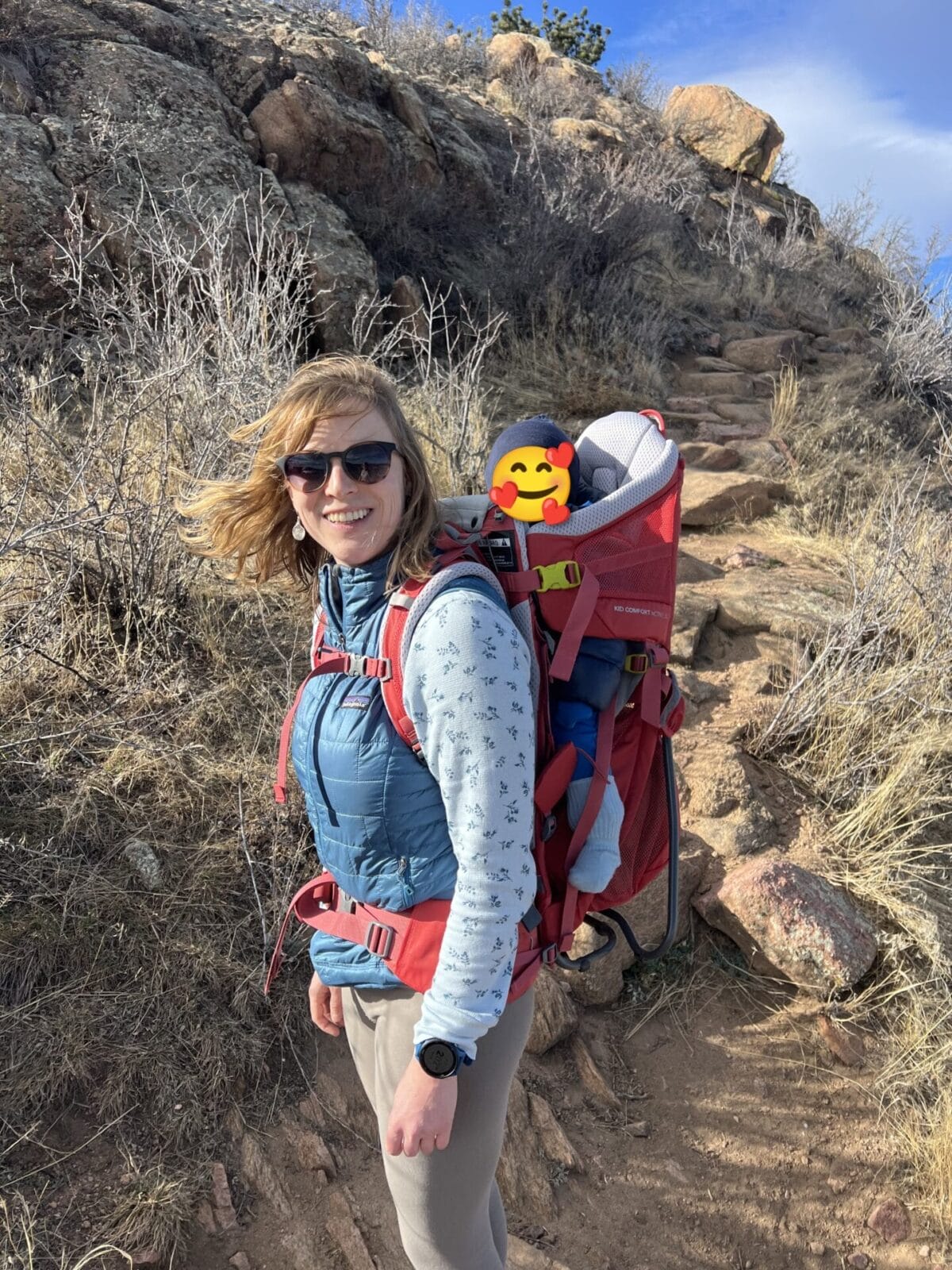
With a background in Biomedical Science and an M.S. in Human Nutrition, I’m a Certified Nutrition Specialist and Licensed Dietitian Nutritionist. My journey in functional medicine has equipped me to work alongside athletes and tackle complex health cases. As a passionate trail runner, backcountry skier, and backpacker, I strive to support others on their paths to peak performance and well-being.




Sign up for updates that come right to your inbox.