What Sets Alpine Fuel Nutrition Apart: Functional Sports Nutrition in the Front Range of Colorado
If you live along the Front Range of Colorado, you already know that we live in an athletic paradise. Between…

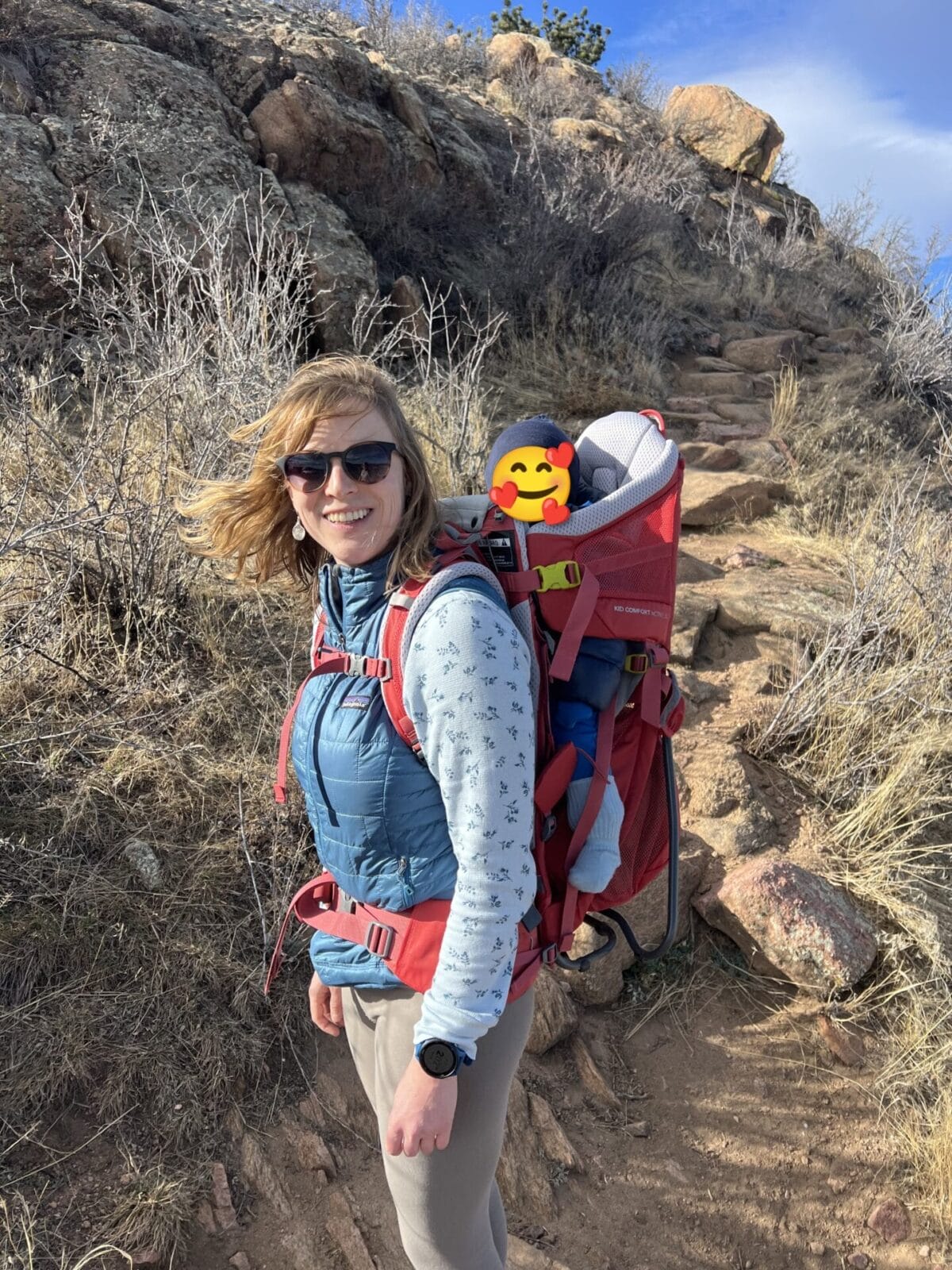
In 2025, I became a mom to an amazing baby boy, and my life changed forever. Despite being an active, high-energy, and generally very resilient woman, I was shocked by how difficult the first 6 weeks of motherhood were, let alone the first year. Between a difficult birth, early breastfeeding difficulties, my son’s tongue and lip ties, intense sleep deprivation, going back to work at 12 weeks, and intense anxiety-provoking nanny difficulties, it was a heck of a year.
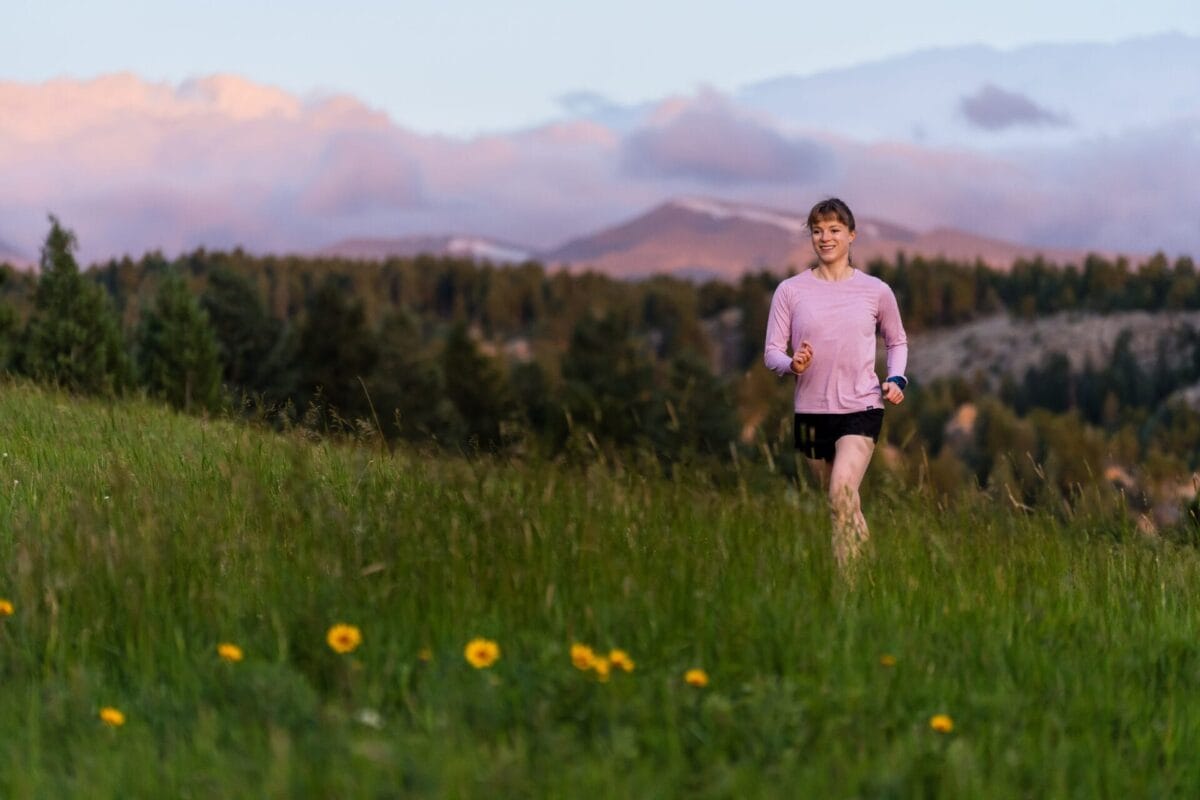
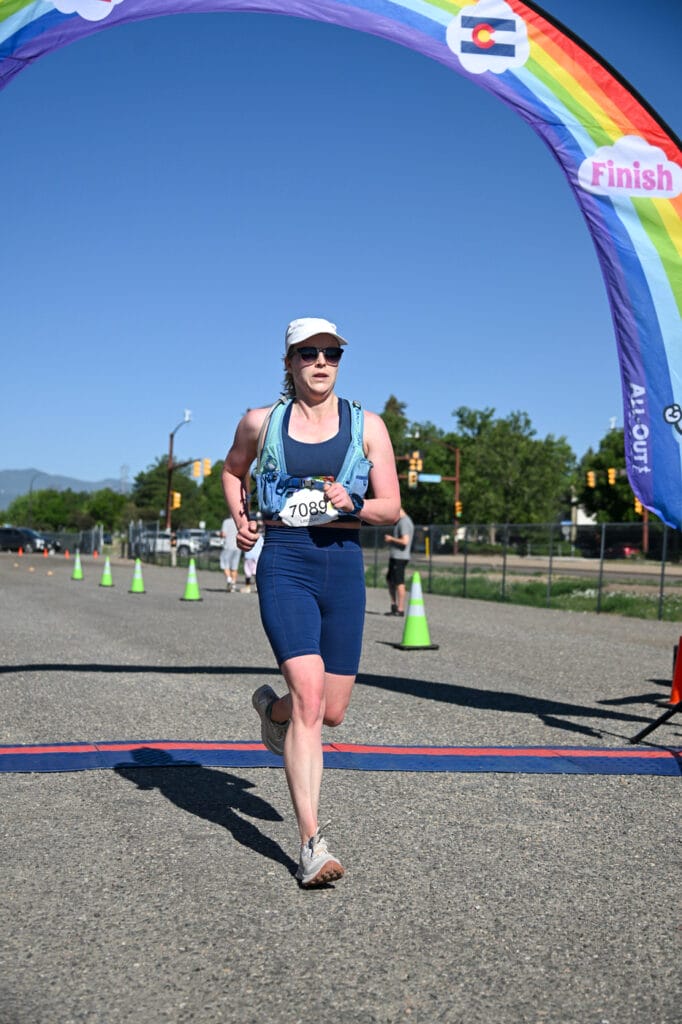
I began running again 3 months postpartum to manage stress and boost my energy. I even ran two half marathons, a 10k, and an 8-mile race during my first postpartum year (keep in mind that I’ve been a runner for years and ran up until week 38 of pregnancy, so this was not a complete shock to my system). Yet, during the thick of that year, I wondered if I’d ever really feel like myself again.
If you are a new mom navigating postpartum recovery while trying to reclaim your identity as an active woman, I see you. 💜 I’ve been there.
The truth is, getting back to training after having a baby isn’t just about lacing up your running shoes or hopping back on your mountain bike at the 6-week mark and hitting the trails again (this is probably too early for most women, by the way, just ask a pelvic floor specialist…). It’s not about “bouncing back,” and it is definitely not about restricting calories and pushing through exhaustion to lose the baby weight as quickly as possible.
In this blog, I want to share what I’ve learned, both professionally and personally, about truly supporting your body nutritionally during postpartum recovery and reengaging in physical activity and training in ways that respect your biology and nourish rather than deplete.
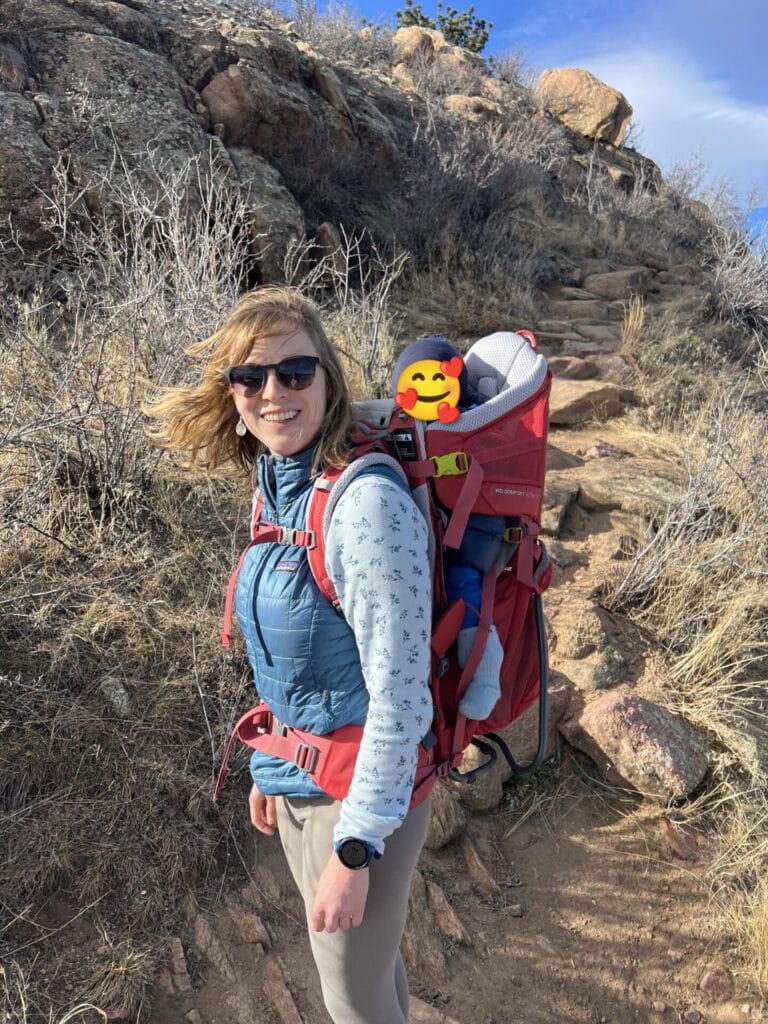
I remember running my first “race,” the Boulderthon 10k, which I hesitate to call a “race” because my only goal was to finish, 5 months postpartum. I had woken up 6 times the night before to nurse and comfort my son. My legs felt heavy during the race, and my body felt unfamiliar – puffy and exhausted. I finished the race, but I honestly felt terrible. I realized then that I needed to take a step back and REALLY take care of myself as I eased back into running.
I realized that pre-pregnancy fitness isn’t waiting for you just on the other side of that 6-week appointment that clears you for exercise. Your body has been through three profound physiological events: growing a baby for 9 months, birth, whether you delivered vaginally or via C-section, and potentially breastfeeding.
These three physiological events require nutrition support in three categories, especially if you are trying to ramp up your physical activity postpartum: replenishment, recovery, and resilience.
Pregnancy and breastfeeding heavily deplete your nutritional reserves, including but not limited to micronutrients like iron, folate, choline, omega-3 fatty acids, and calcium. (Source, Source, Source, Source, Source) These nutrients are raw materials your body needs to produce energy, synthesize hormones, repair tissue, support your nervous system, and (if you’re breastfeeding) support the growth of a second human being. Your body also needs these nutrients to fuel physical activity, including oxygen transport, muscle function, and muscle recovery. If you are already entering postpartum with depleted micronutrients, you won’t have enough available to fuel the additional demands of physical activity.
Think of your body like a bank account. Pregnancy and birth represent a massive withdrawal. You’ve withdrawn your reserves of iron building your blood supply, used up B vitamins supporting baby’s rapid cell division and growth, and your bones have released calcium. Your tissues have been stretched (maybe even torn) and are trying to repair.
This is why I strongly feel that postpartum women need to have a strategic nutrition plan, not just think about eating enough calories. Yes, you absolutely need sufficient calories to maintain your energy and milk supply, but you also need deep nourishment. In the postpartum period, the ideal timing can vary from one woman to another. Under the guidance of a qualified nutrition professional, I recommend a comprehensive nutrient panel to assess your vitamin, mineral, and fatty acid levels. This is one reason I include a comprehensive micronutrient panel in my Trailblazer Nutrition™ program. This is also why trying to lose weight too soon postpartum by restricting your food intake (and thus your micronutrient intake) can be a recipe for disaster, hurting your energy, mental wellbeing, recovery process, and milk supply.
If you don’t nourish your body well in the postpartum period, you may experience postpartum depletion, a state of profound physical, mental, and emotional exhaustion that can persist anywhere from months to years after giving birth. If you want to get back your energy, zest for life, and ability to be active, you need to avoid falling into the trap of postpartum depletion.
Potential signs of postpartum nutrient depletion may look like:
Altogether, this is why nutrient repletion needs to be the foundation of your postpartum nutrition plan, not weight loss.
A crucial note on postpartum depression: I would be remiss not to discuss the potential role of nutrition in postpartum depression. I dealt with postpartum depression in waves throughout the first year of my son’s life. For some women, there are nutritional influences in postpartum depression, such as low omega-3 fatty acids. (Source) For me, postpartum depression was related more to feeling extremely overwhelmed and unsupported in my postpartum life. Once I made some changes to enhance my support system and removed the things and people that were not supporting me, my mood improved dramatically and has stabilized (no medication required). If you are struggling with postpartum depression, please contact your healthcare provider to discuss your options, as this is a serious condition that requires attention.
Why does the postpartum recovery process take so many women by surprise? Personally, I felt inadequately prepared for how slowly the recovery process went. After growing and birthing a baby, your body must undergo a lot of tissue repair. On top of that, studies examining muscle health show that chronic sleep disruption is associated with increased inflammation and impaired muscle recovery and strength. (Source, Source) While I haven’t found any studies looking specifically at postpartum sleep deprivation and tissue recovery, I can’t help but wonder whether the sleep deprivation impairs tissue recovery postpartum. Getting your nutrition right, including total caloric energy, protein, carbohydrates, and micronutrients, is essential for promoting recovery from pregnancy and birth.
In addition, your core and pelvic floor need rehabilitation after pregnancy and birth. Diastasis recti, pelvic floor dysfunction, and core weakness are common postpartum issues that affect your ability to train safely and effectively. Jumping back into high-impact activity without addressing these can lead to injury, incontinence, or pelvic organ prolapse. Seek the care of a pelvic floor specialist for help with these issues.
Motherhood demands a LOT from you, including your love, energy, mental capacity, time, sleep, and nutrient stores. Eating to support your body’s total resilience, your ability to adapt to and recover from change and difficulties, is essential. Along with nutrient replenishment, this means eating to support balanced blood sugar control and your hypothalamic-pituitary-adrenal (HPA) axis, the system of organs and hormones that regulates your body’s stress response.
To get you started, here are some foundational recommendations for eating for postpartum resilience, including blood sugar and HPA axis support:
Let’s talk about the elephant in the room: baby weight.
I know the pressure you feel to lose the baby weight. I’ve felt it too. Social media is a toxic place when it comes to promoting postpartum bounce-back culture. But here’s the reality – in my professional and personal experience, making weight loss a goal in the first six months postpartum is, in most cases, premature and potentially harmful. If you naturally lose weight postpartum (you’re bound to lose some once baby is out, your uterus returns to its normal size, and your blood and total fluid volume decrease), actively pushing yourself to lose more weight is not something I recommend in those early months.
But actively pursuing weight loss through calorie restriction and/or exercise during the early postpartum period carries real risks:
So when IS the right time to think about weight loss? In my practice, I generally recommend waiting until you are at least 6 months postpartum, in a decent sleep routine, with stable energy throughout the day, have addressed nutrient deficiencies, and have the mental and emotional bandwidth to focus on this goal. For some women, I may also recommend waiting until their menstrual cycle has returned, if that takes longer than 6 months.
As an active woman, your approach to postpartum weight loss matters enormously. It should be gradual, fueled by nutrient-dense foods, avoid large calorie deficits, flexible, and ideally monitored by a nutrition professional and a lactation counselor if you are still breastfeeding.
When I registered for a marathon this upcoming fall (Boulderthon in Boulder, Colorado), my baby was a year old. Do I feel uncertain about it? Yes, I do. But I also feel ready for a new goal. I also feel more confident after recently placing second in my age group in a local half marathon in Arvada, Colorado. ☺️Training postpartum looks different from before, and I’ve had to make peace with that. Here’s what I’ve learned:
If you’ve read this far, you might be thinking: “This all makes sense, but I don’t know how to apply it to my body, my situation, and my goals.” I have you covered with my Trailblazer Nutrition™ Program! This comprehensive, personalized nutrition program is designed to help active people like you boost their energy, balance hormones, build strength and resilience, and live an active lifestyle. Here’s what we’ll do to support your active postpartum:
You don’t have to figure this out alone; you CAN balance being a mom and being active, and you don’t have to sacrifice your health to achieve your goals. You are NOT being selfish for taking care of yourself; self-care is essential for your success and health as a mother.
You deserve to feel strong, energized, and capable now in the thick of your postpartum season, not just someday down the road!
Are you ready to take the next step? Schedule your complimentary discovery call to learn how the Trailblazer Nutrition™ program can help you experience a vibrant, healthy, and active postpartum period.
The content provided on this nutrition blog is intended for informational and educational purposes only. It is not a substitute for professional medical advice, diagnosis, or treatment. Always seek the advice of your physician or other qualified health provider with any questions you may have regarding a medical condition. Never disregard professional medical advice or delay seeking it because of something you have read on this blog.
The information and recommendations presented here are based on general nutrition principles and may not be suitable for everyone. Individual dietary needs and health concerns vary; what works for one person may not be appropriate for another.
I make every effort to provide accurate and up-to-date information, but the field of nutrition is constantly evolving, and new research may impact dietary recommendations. Therefore, I cannot guarantee the accuracy or completeness of the information presented on this blog.
If you have specific dietary or health concerns, please consult a qualified nutritionist or another healthcare professional for personalized guidance.
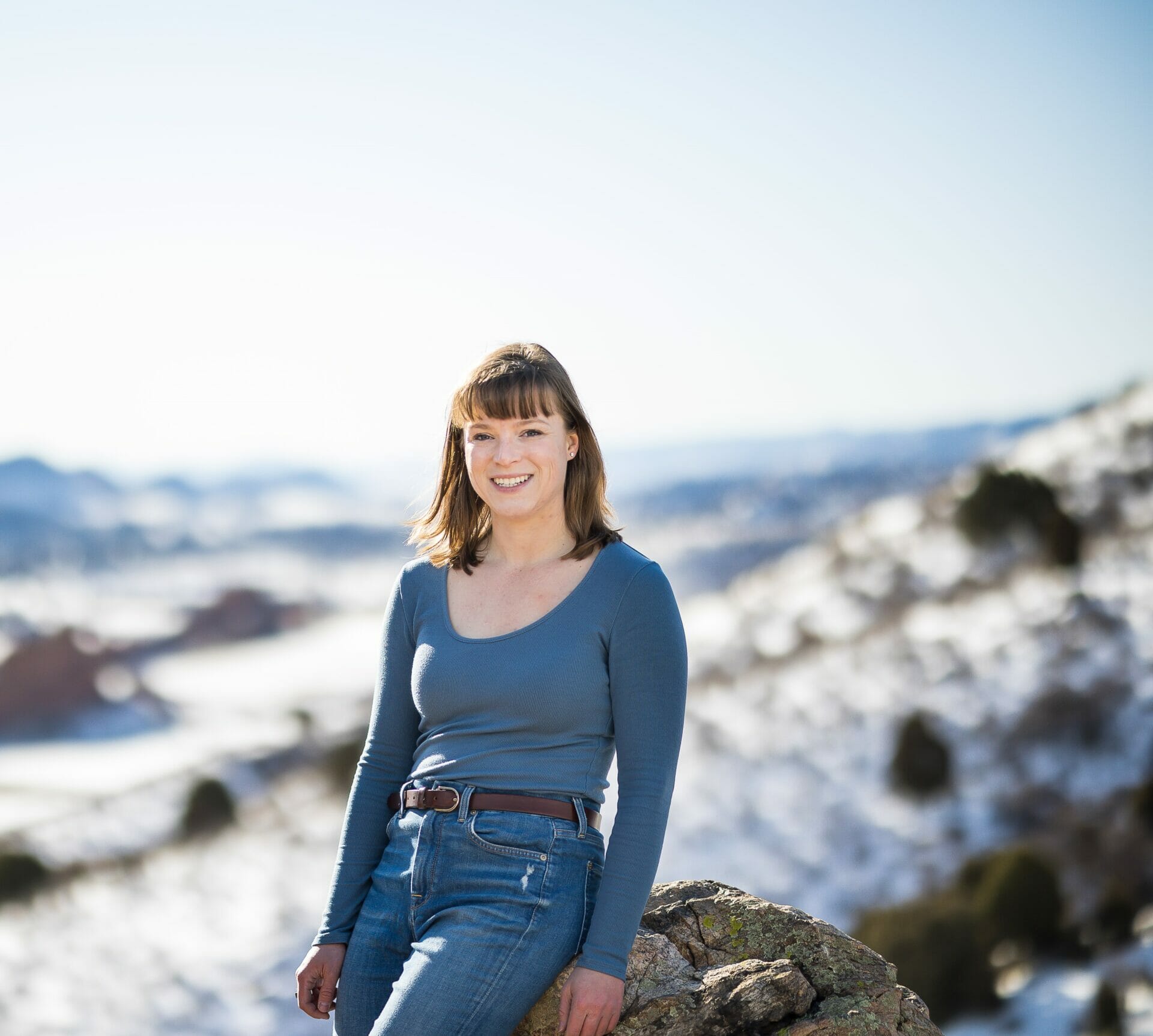
I empower others through nutrition to conquer their mountain adventures, drawing from my own experiences.
With a background in Biomedical Science and an M.S. in Human Nutrition, I’m a Certified Nutrition Specialist and Licensed Dietitian Nutritionist. My journey in functional medicine has equipped me to work alongside athletes and tackle complex health cases. As a passionate trail runner, backcountry skier, and backpacker, I strive to support others on their paths to peak performance and well-being.

Sign up for updates that come right to your inbox.