What Sets Alpine Fuel Nutrition Apart: Functional Sports Nutrition in the Front Range of Colorado
If you live along the Front Range of Colorado, you already know that we live in an athletic paradise. Between…


You’ve conquered peaks, pushed through marathons, and trained your body to do extraordinary things. But now you’re ready for a different kind of challenge: starting a family. And suddenly, the nutrition approach that fueled your PRs might be working against your fertility.
Furthermore, the preconception nutrition guidance that works for the average sedentary woman won’t adequately meet the needs of most active women. In this guide, I’ll walk you through the evidence-based nutritional strategies to optimize your fertility while honoring your athletic identity—because you shouldn’t have to choose between the sport you love and the family you want to build.
This blog is all about nutrition for fertility in female athletes; stay tuned for a separate blog on nutrition for fertility in male athletes!

Let me guess: You’ve walked into your OB/GYN or a reproductive specialist’s office, and they’ve looked at your athletic physique and dismissed your concerns about your fertility struggles. “You look healthy,” they say, before suggesting IVF without investigating what’s happening beneath the surface.
I see this pattern regularly with active women, and it’s deeply frustrating. Here’s the truth that the fertility industry often overlooks:
Physical fitness does not equal fertility. Just because you’re at the peak of your athletic potential doesn’t mean your body has the resources for optimal reproductive function.
In fact, some of the physiological changes that may have occurred during your athletic career —your low body fat percentage, your elevated cortisol response to training stress, your menstrual irregularities —can work against your fertility. This isn’t a failure on your part. However, it does require a nuanced, athlete-specific approach to optimizing your nutrition and health for conception.
The good news? Once we identify and address the nutritional factors undermining your fertility, your athletic body often responds beautifully. Let’s explore what might be standing between you and conception.
The Problem: Low energy availability (LEA) – a chronic deficit between dietary energy intake and energy expenditure through exercise – leading to relative energy deficiency in sport (RED-S) – is the primary driver of functional hypothalamic amenorrhea, the fancy medical terminology for the absence of menstruation in female athletes. And here’s the fundamental truth: if you’re not ovulating and menstruating regularly, conception isn’t possible.
A high percentage of female endurance athletes are at risk for LEA. (Source) The strategy of only eating when you are hungry tends to fail female athletes who are trying to conceive, as exercise can suppress appetite, leading to underfueling. Potential signs that you are underfueling (besides functional hypothalamic amenorrhea and fertility struggles) include persistent fatigue despite optimal sleep and recovery time, reduced immune function, a drop in performance, immune system dysfunction, and stress fractures.
The Solution: You need to eat enough—not just to fuel training, but to support the robust hormone production required for ovulation and conception. This means consuming sufficient energy to cover your basal metabolic needs, daily activity, AND training demands, with enough left over for your reproductive system to function optimally.
I’ll be direct: In some cases, you may need to reduce training volume to restore hormonal balance and menstrual regularity. This can feel like an impossible sacrifice, but there’s also significant room to optimize nutrition first. Together, we can explore how to adequately fuel your athletic pursuits while creating the metabolic environment for fertility.
The Problem: Your macronutrient intake may be imbalanced, either at one end or the other. On one end, insufficient carbohydrate intake is directly associated with hormonal disturbances and menstrual dysfunction in female athletes, compromising both conception and pregnancy outcomes.(Source)
On the opposite end of the spectrum, excessive carbohydrate consumption paired with inadequate protein and fat creates blood sugar dysregulation, insulin resistance, and sex hormone imbalances—particularly affecting estrogen and progesterone—which directly impact menstrual regularity and fertility. (Source) Your reproductive system interprets chronic low-carb intake as a signal of scarcity, downregulating fertility accordingly.
The Solution: Work with a nutrition professional to determine whether your carb, fat, and/or protein intake is imbalanced, and to develop solutions to bring them into balance to support a healthy menstrual cycle and fertility. If you are inadvertently (or intentionally) eating a low-carb diet, bring back healthy, whole-food carbohydrates that will support your athletic performance and fertility, such as sweet potatoes, white potatoes, fruits, root vegetables, squash, legumes, and whole grains.
A word of caution: There’s a popular pregnancy dietitian whose whole-food approach I deeply respect, but whose carbohydrate recommendations are far too low for most active women. This perfectly illustrates why fertility nutrition for athletes requires true personalization—not generic advice adapted from sedentary populations.
The Problem: As athletes, we demand a lot from our bodies, and our micronutrient needs may be higher than those of the average sedentary person due to factors like increased micronutrient utilization and increased excretion through urine and sweat. (Source) Yet, many athletes are low in critical nutrients. (Source, Source, Source)
Simultaneously, optimal fertility requires robust micronutrient status to support egg quality, ovulation, implantation, and early pregnancy. The following nutrients are essential for both athletic performance AND fertility—and frequently run low in active women:
The Solution: I highly recommend comprehensive micronutrient testing for all women preparing for pregnancy, especially active women, who typically have higher nutrient needs than the average woman. A nutrition professional can guide you through which micronutrient tests to order (I use a comprehensive micronutrient panel in my nutrition practice) and help you optimize your micronutrient status through foods and, when necessary, supplements.
Check out my free micronutrient guide for outdoor athletes to learn about the optimal reference ranges for many micronutrients and how to test for them. If you want personalized guidance and testing support, I would love to work with you in my nutrition practice!
Side note: Besides nutritional testing, I also highly recommend getting the following labs done, as these markers also reflect critical aspects of your health that impact fertility:
The Problem: Chronic inflammation and oxidative stress, an imbalance between reactive molecules generated in the body by stressors like exercise and the body’s ability to “quench” those free radicals with antioxidants, are linked to fertility impairment. (Source) While exercise offers profound health benefits, intense and excessive endurance training can tip this balance unfavorably if you’re not strategically supporting your body through nutrition and recovery.
The Solution: Eating a nourishing, colorful, whole-foods diet rich in antioxidants to help your body quench oxidative stress and inflammation. Limit high-glycemic and ultra-processed foods, which are linked to heightened inflammation and fertility issues. (Source, Source) Use comprehensive nutritional testing to assess levels of antioxidant nutrients needed for oxidative stress regulation and egg health, such as alpha-lipoic acid and glutathione. (Source, Source)
Emerging research reveals a fascinating connection between gut health and female fertility—and unfortunately, many female outdoor athletes struggle with gastrointestinal issues. At the most fundamental level, gut health determines how effectively you extract and absorb the nutrients essential for optimal fertility.
But the gut-fertility connection goes deeper. Research indicates that the gut microbiome serves as a vital link between environmental factors—such as diet and stress—and reproductive health, specifically influencing the ovarian reserve and oocyte quality. For endurance athletes, who often balance high-performance fueling with reproductive goals, the sources highlight that diet is the most direct and modifiable factor shaping microbial composition; specifically, plant food-rich dietary patterns increase the production of short-chain fatty acids (SCFAs) that support hormonal and immune functions. (Source)
If you struggle with gastrointestinal symptoms like gas, bloating, constipation, or acid reflux, or extraintestinal (outside the intestine) symptoms that link back to the gut, like fatigue, skin issues, and mental health struggles, it is crucial to get to the root of your gut imbalances and address them before trying to conceive.
This is a complex topic that deserves acknowledgment: hormonal contraceptives (like the pill) may not only have adverse effects on athletic performance in female athletes but, even after a woman comes off of them, may be indirectly linked to fertility struggles. For example, hormonal contraceptives are linked to depleted levels of multiple micronutrients necessary for fertility.
If you were originally prescribed hormonal contraceptives for “period problems,” they have likely been masking underlying hormonal and inflammatory imbalances for years that will still need to be addressed to achieve optimal fertility.
For more information about hormonal contraceptives and athletic performance, I recommend you check out the work of Dr. Stacy Sims. For more information about how hormonal contraceptives impact fertility, I recommend looking into the extensive work of Lisa Hendrickson-Jack.
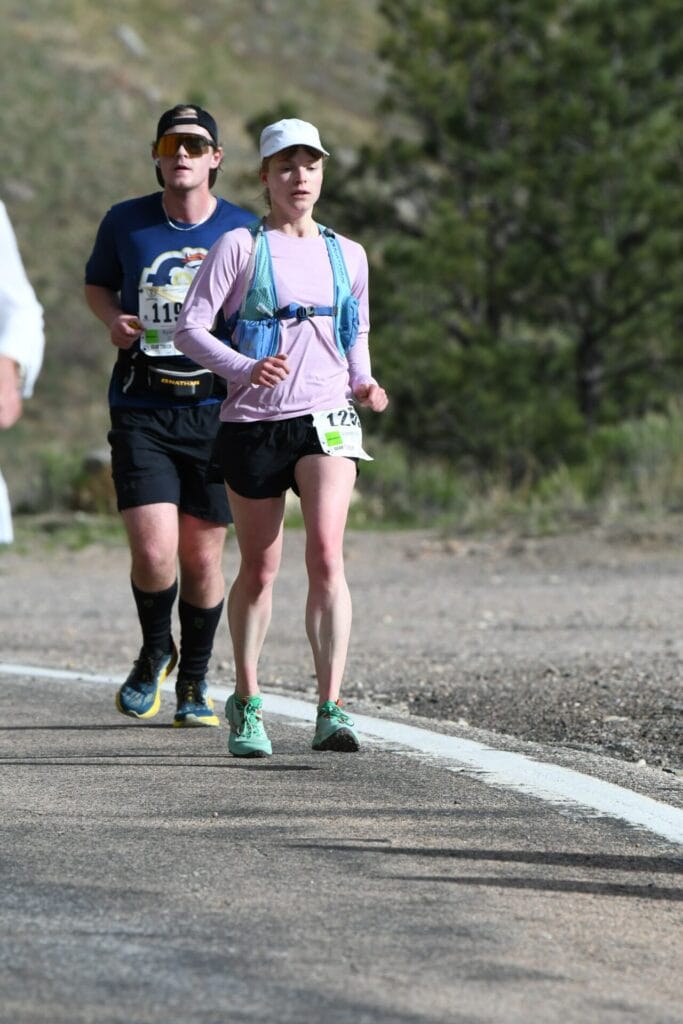
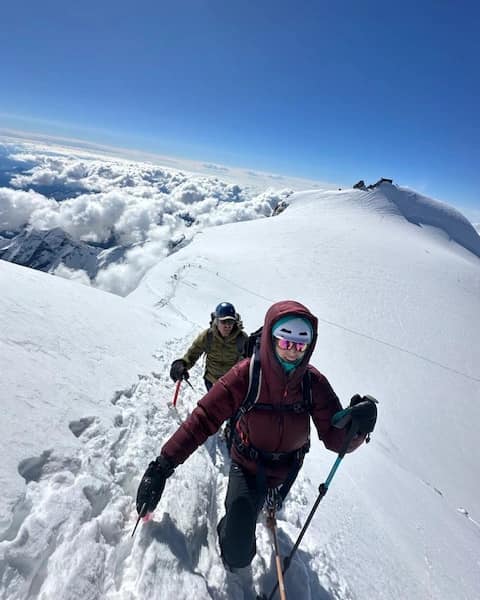
Your athletic lifestyle and fertility can coexist, especially when you nourish your body well and prioritize rest, recovery, stress management, and gut health. If you are struggling with fertility issues, then it is reasonable to expect it to take 3-6 months to optimize your health before trying to conceive. Just like training for a big race, the road to optimal fertility isn’t traveled overnight.
Based on everything I’ve discussed in this article, here are practical next steps you can take to optimize your fertility while maintaining your active lifestyle:
Fertility nutrition for outdoor athletes isn’t one-size-fits-all—and this blog scratches the surface of what’s truly possible. The strategies you’ll discover here reveal the core principles: energy availability as your foundation, macronutrient balance, and the micronutrient gaps many female athletes miss.
A truly personalized approach with a nutrition professional goes deeper—comprehensive assessment of your current dietary intake and needs, functional testing, a customized nutrition plan, strategic supplement recommendations, and ongoing support to troubleshoot the challenges that arise. You’ve trained strategically for countless races, summits, and adventures; optimizing your fertility deserves that same level of personalized attention.
Ready to move from understanding the problem to building your unique solution? Schedule your 20-minute discovery call to discuss your situation and explore how we can work together to fuel both your peak performance and your dreams of becoming a mother!
The content provided on this nutrition blog is intended for informational and educational purposes only. It is not a substitute for professional medical advice, diagnosis, or treatment. Always seek the advice of your physician or other qualified health provider with any questions you may have regarding a medical condition. Never disregard professional medical advice or delay seeking it because of something you have read on this blog.
The information and recommendations presented here are based on general nutrition principles and may not be suitable for everyone. Individual dietary needs and health concerns vary; what works for one person may not be appropriate for another.
I make every effort to provide accurate and up-to-date information, but the field of nutrition is constantly evolving, and new research may impact dietary recommendations. Therefore, I cannot guarantee the accuracy or completeness of the information presented on this blog.
If you have specific dietary or health concerns, please consult a qualified nutritionist or another healthcare professional for personalized guidance.

I empower others through nutrition to conquer their mountain adventures, drawing from my own experiences.
With a background in Biomedical Science and an M.S. in Human Nutrition, I’m a Certified Nutrition Specialist and Licensed Dietitian Nutritionist. My journey in functional medicine has equipped me to work alongside athletes and tackle complex health cases. As a passionate trail runner, backcountry skier, and backpacker, I strive to support others on their paths to peak performance and well-being.



Sign up for updates that come right to your inbox.