What Sets Alpine Fuel Nutrition Apart: Functional Sports Nutrition in the Front Range of Colorado
If you live along the Front Range of Colorado, you already know that we live in an athletic paradise. Between…


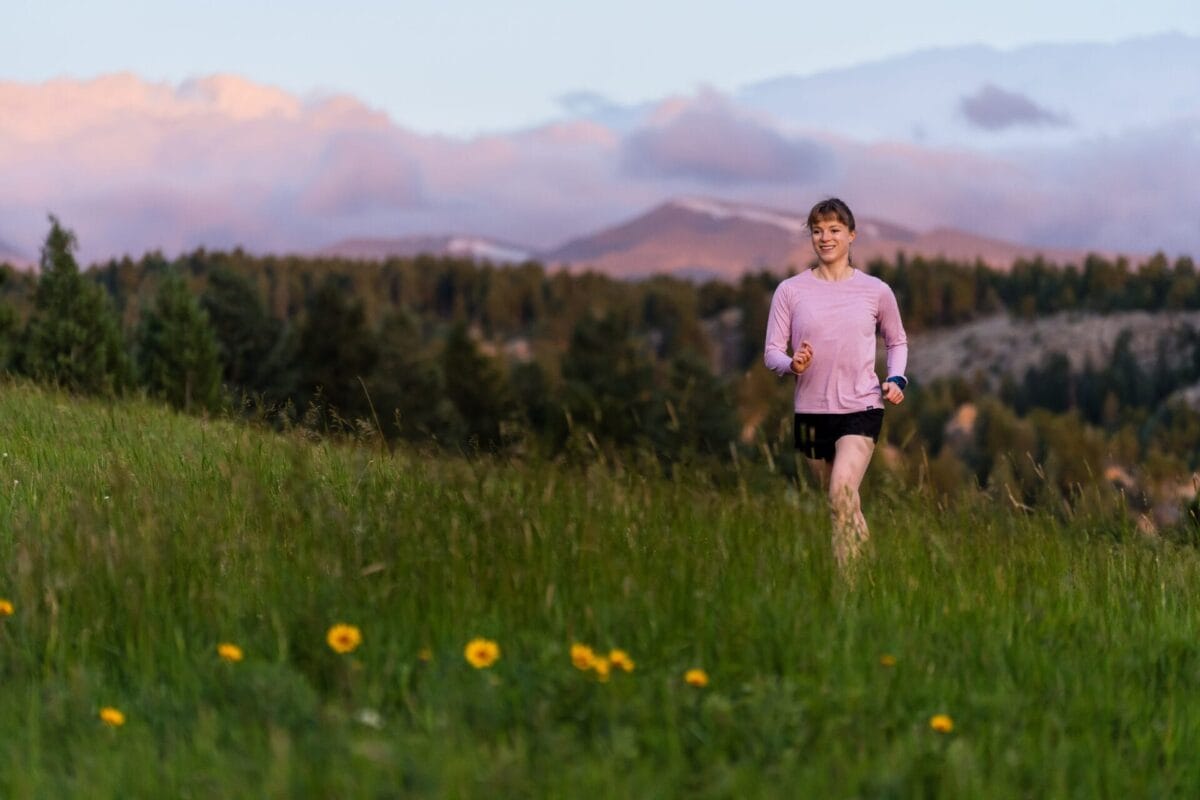
Growing up in the Midwest, I loved spending as much time outdoors as possible. As a child, I ran around barefoot with my siblings and cousins in the fields and woods of Wisconsin when we visited our grandparents’ house. In high school, I ran cross-country and trained on terrain that crossed through prairie and forests. I was in love with nature and moving my body. Never once did I think about a threat that could be lurking in these outdoor places – Lyme disease.
In my late teens, as I was entering college, I became very sick. I was finally diagnosed with Lyme disease at age 21, after having been very ill for four years with a diverse array of symptoms, including severe fatigue, gastrointestinal issues, anxiety, depression, insomnia, multiple chemical sensitivities, and food sensitivities.
Once I was diagnosed, the actual recovery journey began. I spent the next eight years trying numerous therapies for Lyme disease, ranging from antibiotics and IVs to herbal protocols. I eventually found that an integrative approach, including functional medicine and functional nutrition, helped me the most. My experience ignited my passion for nutrition and led me to become a clinical nutritionist. I spent my early career working in two medical practices providing nutrition care to individuals with Lyme disease and co-infections, which led me to become a nutrition specialist in this area. I even wrote a book on nutrition for Lyme disease!
My journey with Lyme disease profoundly changed my relationship with my health, my athletic performance, and the outdoors. Since Lyme disease is common in the outdoor athlete community, I felt it would be helpful and, hopefully, inspiring for me to share about my personal Lyme journey.
In this blog, I’ll share about my Lyme disease journey as a functional nutritionist and outdoor athlete, practical guidance for active individuals with Lyme disease, and nutritional tools that can help with recovery.
Please note that I am an affiliate for some of the products I’ve linked to in this post. If you click the link here and make a purchase, I may earn a commission at no extra cost to you. In addition, as an Amazon Associate, I earn from qualifying purchases.

Lyme disease is an infectious disease caused by several bacteria from the Borrelia genus, including Borrelia burgdorferi and B. mayonii in the U.S. and B. garinii and B. afzelii in Europe. (Source) The bacteria that cause Lyme disease are transmitted to humans through the bite of an infected tick or other insect. The black-legged deer tick (Ixodes scapularis) is the primary tick vector for Lyme disease on the east coast and in the midwestern U.S. The Western Black-Legged Deer Tick (Ixodes pacificus) is a vector of Lyme disease on the West Coast. (Source)
Lyme disease was first identified in 1975 when a group of people in the town of Old Lyme, Connecticut, came down with a mysterious illness. The adults and children, who suffered from arthritic symptoms and rashes, were initially believed to be suffering from a viral infection transmitted by mosquitoes. The disease came to be known as “Lyme disease.” In 1981, a medical entomologist named Dr. Willy Burgdorfer discovered that a spirochete (a spiral-shaped bacterium) was responsible for the illness, which he named Borrelia burgdorferi.
Despite the recency with which Lyme disease was discovered, anthropological research indicates Lyme disease has been with humans for a long time; in 1991, a 5,300-year-old ice mummy named “Otzi” found in a frozen alpine glacier was found to harbor Borrelia inside his body. (Source)
I likely contracted Lyme disease sometime in my childhood or adolescence, since I spent so much time outdoors growing up in a Lyme-endemic area. From middle school onward, I developed a passion for distance running and was a member of the track and cross-country teams in both middle school and high school. I also loved traveling to National Parks with my family, where we did lots of hiking. Living an active lifestyle came naturally, but also exposed me to many environments with ticks.
Before the start of my Lyme disease journey, I had an interest in nutrition but hadn’t considered making it my career. I originally wanted to become a physical therapist and was on a pre-physical therapy track during my first year of college. As for nutrition, I had experimented with vegetarianism and veganism. Unfortunately, these dietary experiments didn’t work well for me; in fact, I think the nutrient deficiencies I experienced on vegetarian and vegan diets may have contributed to gut and immune dysfunction, making me more susceptible to illness when I was exposed to Lyme disease.
My Lyme disease symptoms hit full-force in the second half of my freshman year of college. I began to experience insomnia, waking five or more times a night. I was anxious and severely depressed, and had strange rashes on my skin. My digestion was a mess and I had relentless stomach pain. Eventually, I became so ill that I had to withdraw from college one week into my sophomore year.
Thus began the long, winding road of health professionals, confusion, and illness. For the next four years (yes, it took four years to get a Lyme disease diagnosis, even though I lived in a Lyme-endemic area!) I saw a litany of healthcare providers – conventional mental healthcare providers, a gastroenterologist, and naturopathic doctors. Finally, in 2014, I landed in the office of Lyme-literate medical doctor (LLMD), who ran many tests and diagnosed me with Lyme disease and co-infections. At this point, I not only had my original symptoms (anxiety, depression, gut issues, rashes, and insomnia) but also chronic fatigue, numerous food sensitivities, amenorrhea (lack of a menstrual period), low blood pressure and fainting, and severe brain fog.
Once I was diagnosed, it took four more years before I finally felt like myself again. Ultimately, the therapies that helped me the most were a comprehensive herbal protocol that I followed for two years, a whole-food anti-inflammatory diet, multiple gut-healing protocols, detoxification support, getting out of a moldy environment I’d been living in, regular exercise, and getting plenty of restorative sleep.
As I was recovering from Lyme disease, the illness took a significant emotional toll. When I was too tired to walk up a flight of stairs and could barely think straight, I felt like I had lost my identity as an active, outdoorsy, intelligent, and high-achieving person. This was something I had to gain back slowly during my recovery. My move to Colorado and participation in rock climbing, trail running, and hiking were instrumental in supporting my recovery. These outdoor activities helped me regain my strength, joy, and confidence in my body and mind.
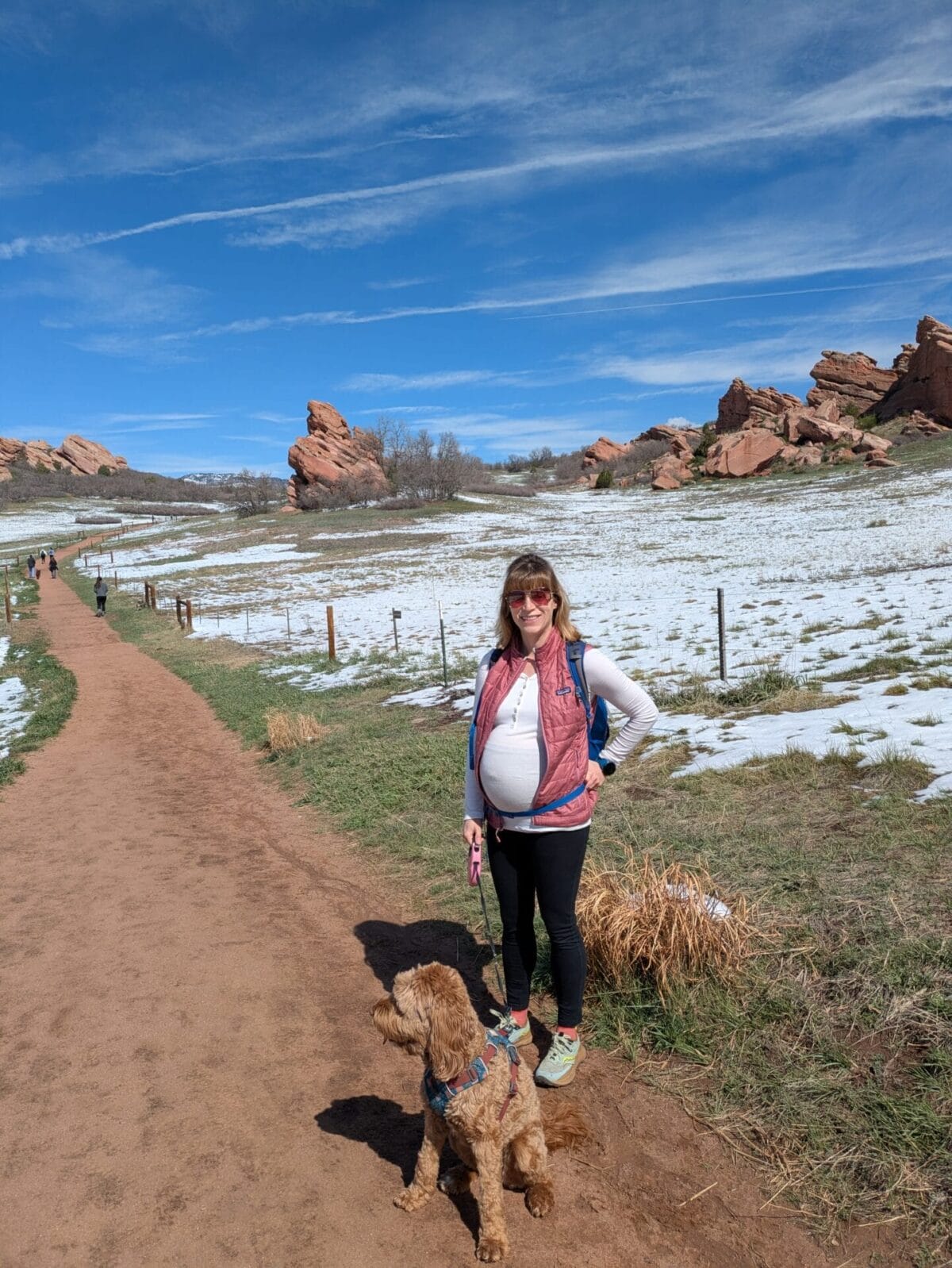
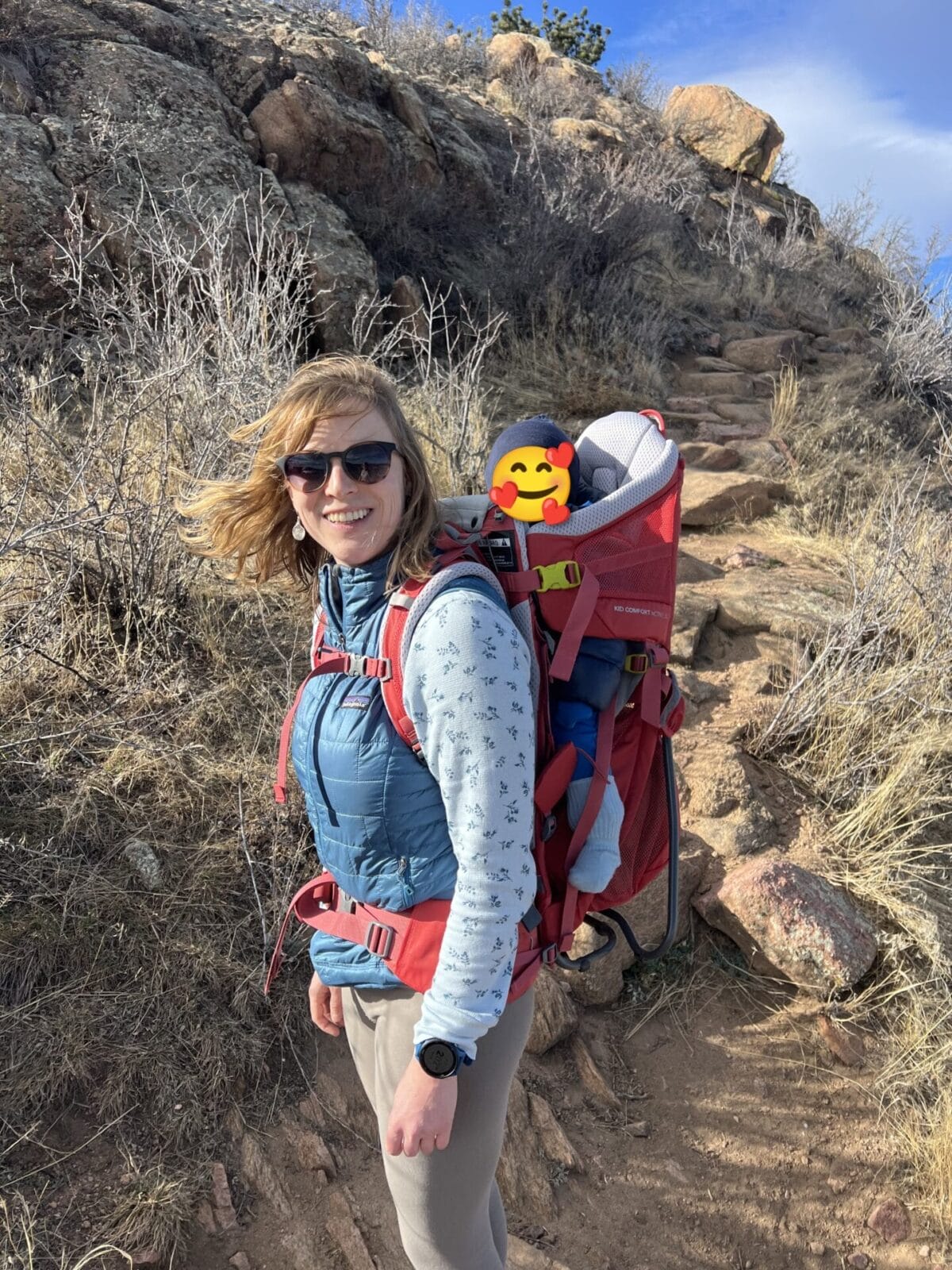
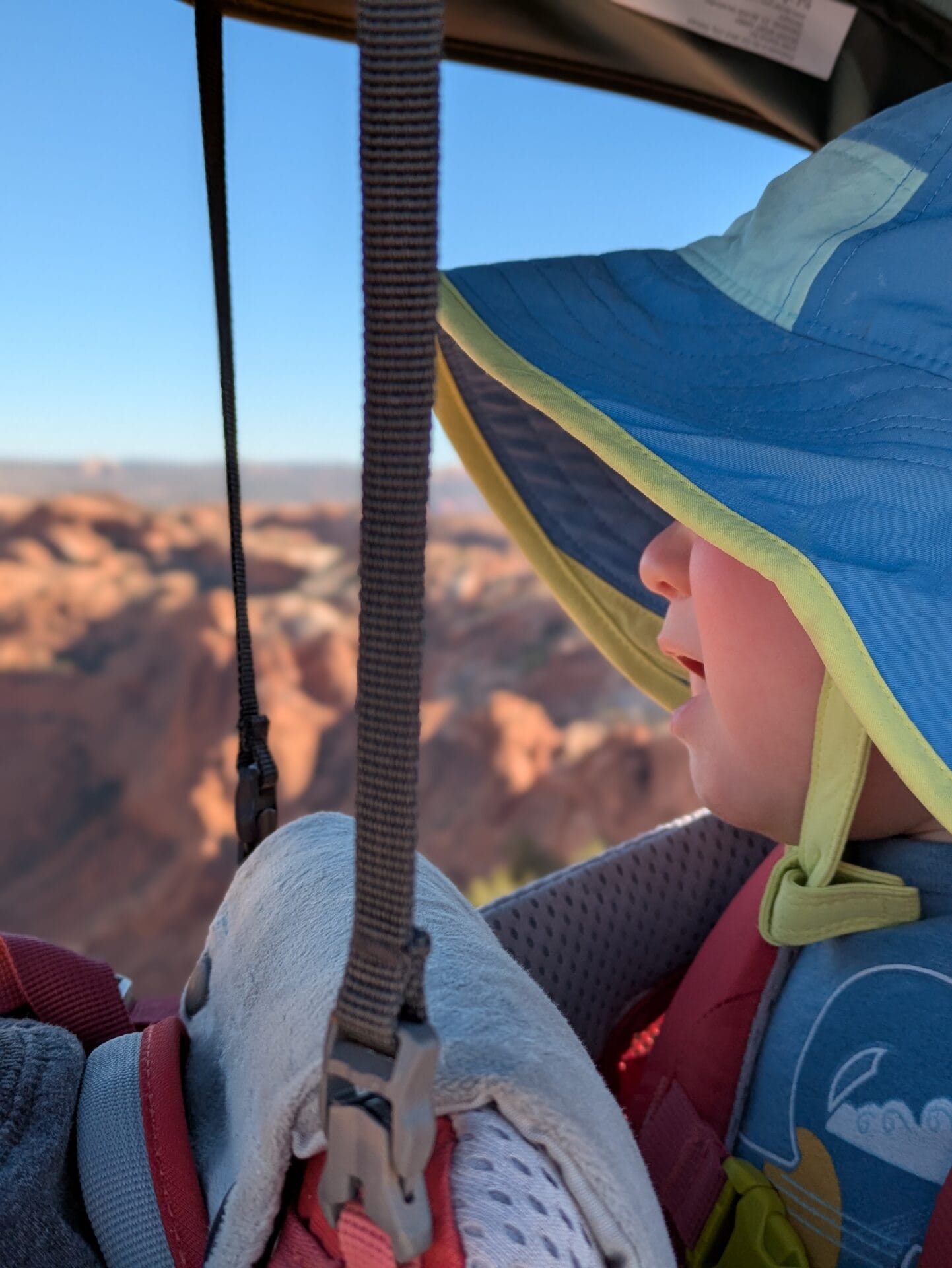
Today, I’m happy to say that I’m healthier than I’ve ever been before in my life. I can mountaineer, run marathons, rock climb, backpack, and hike. I also just had my first baby, and have maintained good health!
My Lyme journey was truly an education in health and wellness. I’m passionate about applying what I’ve learned from my personal health journey, combined with my education and professional experience, to support my active, outdoorsy clients with Lyme disease.
My journey with Lyme disease taught me invaluable lessons about the body, health, and athletic performance. These insights continue to shape how I work with my clients—active outdoor enthusiasts, such as trail runners, climbers, mountaineers, and cyclists, some of whom may be facing Lyme disease or other chronic health challenges. Here’s a high-level overview of what I’ve learned:
Treating Lyme disease isn’t just about targeting pathogens—it’s also about restoring and supporting the immune system, which is our body’s natural defense mechanism. When I became sick with Lyme, my immune system was already compromised. Years of following diets that didn’t work for my biology (including vegetarian and vegan diets), underlying gut dysfunction (remember: about 70% of the immune system lives in the gut), and chronic stress had all taken their toll.
When I began addressing these immune-depleting factors—by shifting to a nutrient-dense, omnivorous diet, implementing gut-healing protocols, and reducing chronic stress—my body became much more responsive to Lyme treatment.
This experience is not unique. Many of my outdoor athlete clients unknowingly face similar issues. Training, nutrient-poor diets, and unmanaged stress all compound to create a perfect storm for immune dysfunction. This can lead to frequent infections or even autoimmune conditions.
One tool that may support immune recovery from Lyme is monolaurin, a fatty acid naturally found in coconut products and human breast milk. Monolaurin has well-documented antimicrobial properties, including antibacterial effects against Borrelia burgdorferi, the bacteria responsible for Lyme disease. It also helps upregulate beneficial gut bacteria, supporting overall immune resilience. (Source, Source, Source)
Tip: Start with monolaurin slowly, as it can disrupt biofilm —a sticky matrix created by bacteria to protect themselves against antimicrobial agents, such as antibiotics. Biofilm disruption can trigger a temporary increase in inflammation or “die-off” symptoms. The typical max dose is 3,000 mg three times per day, but it is best to start at a lower dose and increase gradually. My preferred source of monolaurin is Lauricidin.
Note: Its detergent-like properties can occasionally cause mild GI upset—such as bloating or stool changes. If that happens, reduce the dosage and increase more slowly.
Supporting the immune system isn’t just a recovery strategy for people with Lyme disease or other immune challenges —it’s a long-term investment in your athletic longevity and performance.
Mitochondria are the powerhouses of your cells, responsible for generating ATP—the energy currency that fuels both your daily functions and athletic performance. Mitochondrial dysfunction is associated with Lyme disease and may contribute to symptoms like fatigue, brain fog, and reduced exercise capacity. (Source, Source)
During my own recovery, I focused on optimizing mitochondrial health by:
One supplement that played a key role for me was Coenzyme Q10 (CoQ10). This antioxidant helps mitochondria produce ATP more efficiently and may improve exercise tolerance—something crucial for anyone returning to sport after illness.
In one randomized controlled trial, participants with chronic fatigue syndrome (which shares many traits with chronic Lyme disease) experienced improvements in fatigue and heart rate regulation when taking CoQ10 with NAD, another mitochondrial-supportive nutrient. (Source) The reduction in max heart rate indicated a more balanced stress response during exercise.
Tip: CoQ10 is best absorbed with food. Dosage typically ranges from 90 to 200 mg/day.
For outdoor athletes, supporting mitochondrial function is essential not just for energy, but also for immune regulation and inflammation control.
Your gut plays a central role in both immune function and nutrient absorption. Digestive issues like bloating, gas, loose stools, and constipation are common—and often overlooked in individuals with Lyme disease and outdoor enthusiasts alike. In fact, Lyme disease can significantly impact the gastrointestinal system AND affect your athletic performance and recovery by influencing inflammation and nutrient absorption. (Source, Source)
In my practice, I routinely work on restoring gut health as a foundation for both recovery and sustainable performance.
One key intervention that supports gut health is the use of probiotics. Probiotics are live microorganisms that improve the balance of the gut microbiota. Here’s how to choose a high-quality product:
If you’re an outdoor enthusiast with Lyme disease (or another chronic illness), caring for your immune system, mitochondria, and gut health isn’t optional—it’s essential. These systems are deeply interconnected and foundational to healing and performance.
In my nutrition practice, I take an integrative, evidence-informed approach to help outdoor athletes like you rebuild from chronic infections and get back to doing what you love—with more resilience and clarity than ever before.
As an outdoor athlete, it is essential to be aware of Lyme disease and take steps to mitigate your risk. As a Lyme survivor and educator, here are my recommendations:
Educate yourself about the risk of Lyme disease and other tickborne infections in your area, where you recreate, and when you travel. It is a mistake to believe that Lyme disease can only be contracted on the East Coast of the United States. The truth is that ticks that transmit Borrelia are present across the United States, thereby expanding the geographic range of people vulnerable to Lyme disease. (Source) However, the majority of Lyme disease cases are concentrated in the Northeast, Mid-Atlantic, and upper Midwest regions.
Do a tick check every time you come in from the outdoors if you live in an area where Lyme disease and other tickborne infections are possible. Take your clothes off as soon as you get in the house and throw them in the dryer – the heat can help kill ticks. (Source)
Be aware of the signs of Lyme disease. The tricky thing here is that tick bites are usually painless, and many people do not remember being bitten. (Source) Second, 20-30 percent of individuals with Lyme disease don’t experience the expected bullseye-shaped EM rash, and atypical presentations of the rash (presentations that don’t resemble a bullseye) may be missed, especially in individuals with darker skin. (Source) Therefore, you also need to watch out for symptoms like fever, chills, headache, stiff neck, fatigue, aching joint pain, sore throat, and swelling of the lymph nodes.
Protect yourself in the outdoors. I use Repel DEET-free lemon eucalyptus insect repellent to protect myself from ticks and mosquitoes. When walking or running on trails, try to stay in the center of the trail (if possible) and avoid moving through deep grass. If the trail includes deep grasses, consider wearing pants and long sleeves instead of shorts and short sleeves – this may be more feasible if you are hiking or backpacking than running.
If you are bitten by a tick, don’t delay seeking medical attention. If you are bitten by a tick that may be carrying Lyme disease, the conventional CDC and IDSA-endorsed treatment recommendation for acute Lyme disease (within the first 72 hours of a tick bite) is a single 200-mg oral dose of doxycycline. For individuals with the bull’s-eye rash, the CDC and IDSA recommend a 10-day course of doxycycline or a 14-day course of amoxicillin or cefuroxime, rather than more prolonged treatment. Sometimes, azithromycin may be used for 5–10 days, with a 7-day course preferred in the U.S.
If you contract Lyme disease, take an integrative approach to recovery. While antibiotics are the frontline treatment for Lyme disease, as a Lyme survivor and functional nutritionist who has worked with hundreds of clients with Lyme disease, I recommend going above and beyond antibiotics to support your recovery. Optimizing your nutrition to support healthy immune function, mitochondrial function, and gut health will get you better results than relying on antibiotics alone, in my experience.
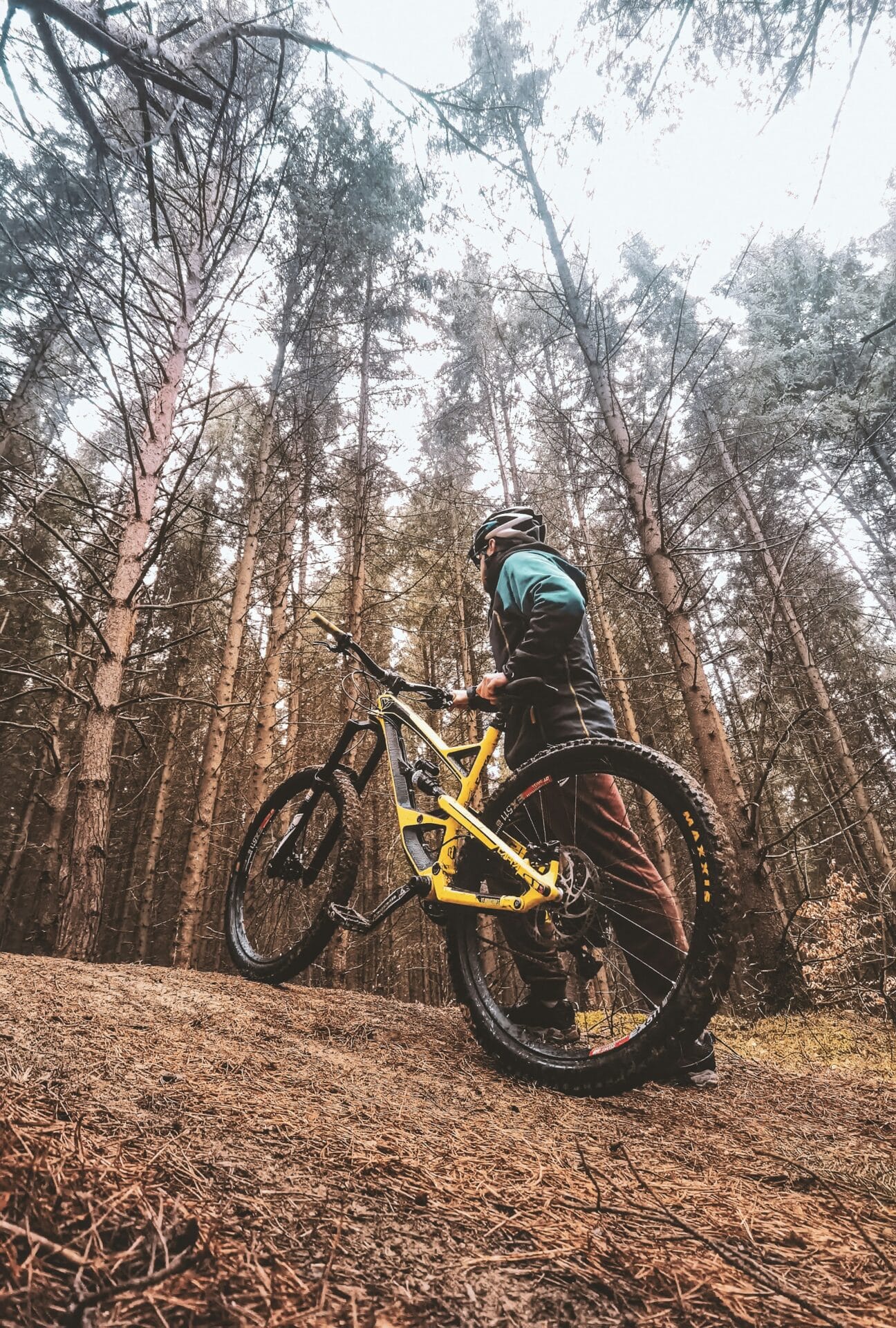
I help outdoor enthusiasts (including those with Lyme disease) confidently fuel their bodies for sustained energy, smooth digestion, and stress resilience, so that they can unlock peak performance and feel their best in daily life and during trail running, mountain biking, climbing, and beyond.
Unlike one-size-fits-all sports nutrition approaches, I use targeted functional nutrition strategies based on the latest research, lab testing, supplements, and lifestyle upgrades – to elevate whole-body health for daily life and epic outdoor adventures.
Lyme disease can be a harrowing experience – I’ve lived it. But I also know that recovery is possible when you take an integrative approach that includes functional nutrition care. Want help accelerating your Lyme recovery so you can get back to the outdoor sports you love? My Trailblazer Nutrition program is your next best step! Learn more about the program here.
Are you an outdoor enthusiast who has recovered from Lyme disease? I’d love to hear more about your experience! Please share what has worked for you in recovery in the comments.
The content provided on this nutrition blog is intended for informational and educational purposes only. It is not a substitute for professional medical advice, diagnosis, or treatment. Always seek the advice of your physician or other qualified health provider with any questions you may have regarding a medical condition. Never disregard professional medical advice or delay seeking it because of something you have read on this blog.
The information and recommendations presented here are based on general nutrition principles and may not be suitable for everyone. Individual dietary needs and health concerns vary, and what works for one person may not be appropriate for another.
I make every effort to provide accurate and up-to-date information, but the field of nutrition is constantly evolving, and new research may impact dietary recommendations. Therefore, I cannot guarantee the accuracy or completeness of the information presented on this blog.
If you have specific dietary or health concerns, please consult a qualified nutritionist or another healthcare professional for personalized guidance.
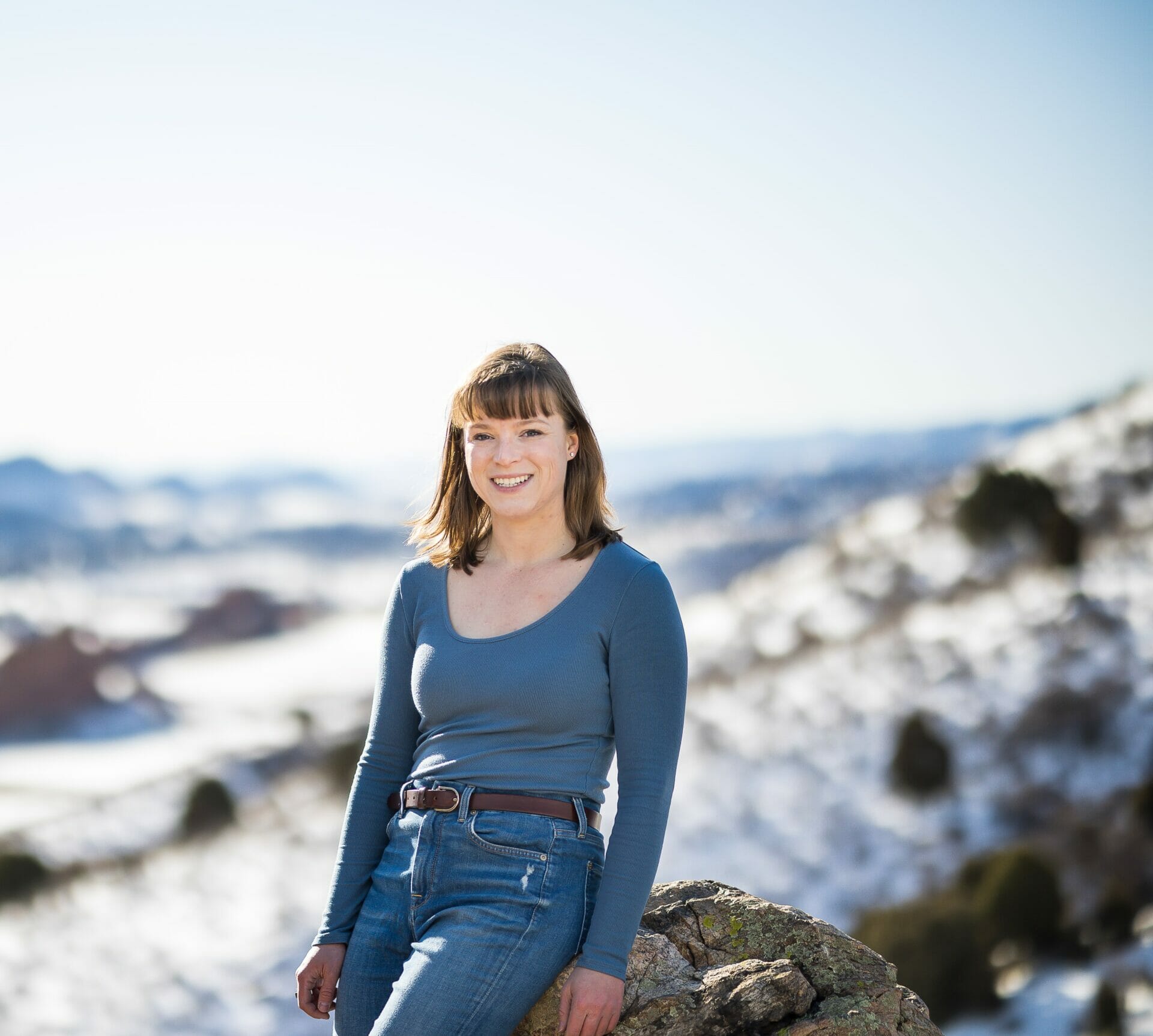
I empower others through nutrition to conquer their mountain adventures, drawing from my own experiences.
With a background in Biomedical Science and an M.S. in Human Nutrition, I’m a Certified Nutrition Specialist and Licensed Dietitian Nutritionist. My journey in functional medicine has equipped me to work alongside athletes and tackle complex health cases. As a passionate trail runner, backcountry skier, and backpacker, I strive to support others on their paths to peak performance and well-being.
Sign up for updates that come right to your inbox.